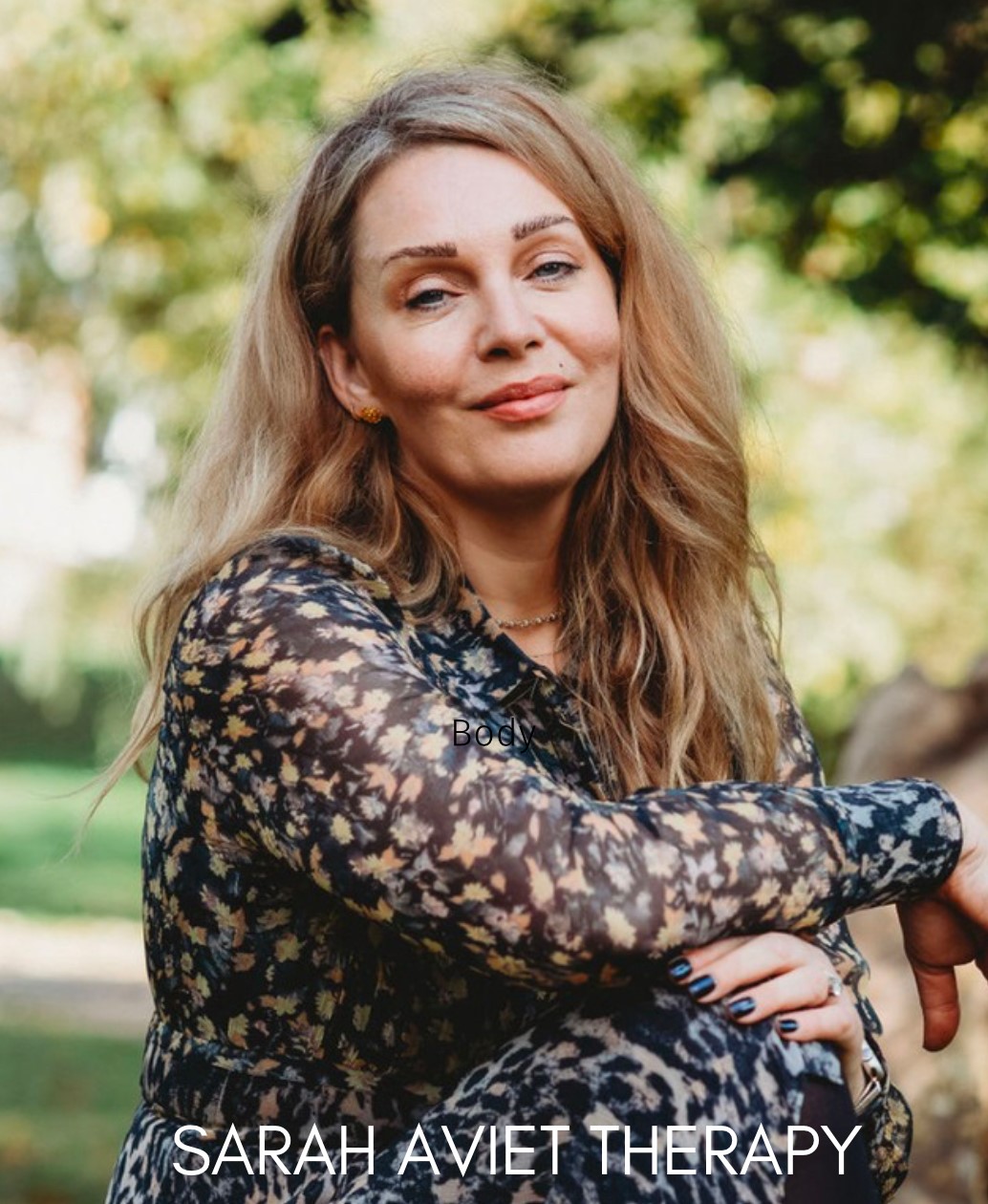
Sarah O'Donovan
Registered Member MBACP
Contact information
- Phone number
- 07429546091
Features
- Flexible hours available
- Concessionary rates
About me and my therapy practice
I specialise in neurodivergence-aware, trauma-informed psychotherapy, drawing on lived experience of ADHD. I offer a relational talking therapy that is flexible, non-pathologising, and responsive to different ways of thinking, feeling, and processing. This approach supports safety, trust, and regulation, particularly for clients who have felt misunderstood or overwhelmed in previous therapeutic spaces.
I am a Psychosynthesis-trained psychotherapist offering short-term counselling and longer-term psychotherapy to adults. My work is grounded in the belief that people are not broken, but are whole beings shaped by their experiences, relationships, and environments. I aim to provide a therapeutic space that is steady, respectful, and collaborative, where clients can explore their inner world at a pace that feels manageable.
The Therapeutic Relationship
The therapeutic relationship is central to how I work. I view trust, consistency, and attunement as essential conditions for meaningful therapy. I work relationally, paying close attention to how the client experiences the therapeutic space and our connection. My role is not to fix or direct, but to support curiosity, reflection, and integration. I aim to offer a calm and grounded presence, particularly when working with sensitive or complex material.
Trauma-Informed and Neurodivergence-Aware Practice
I prioritise emotional and physical safety, choice, and pacing throughout the therapeutic process. I am attentive to how trauma can affect regulation, self-concept, memory, and relationships, and I adapt my approach accordingly.
I am also neurodivergence-aware and bring lived experience of ADHD. This informs my sensitivity to difference and my understanding that people process, communicate, and relate in diverse ways. I work flexibly, avoiding rigid expectations around attention, emotional expression, or linear narratives, and aim to create a space where clients can show up as they are.
Practice description
My work is primarily a relational talking therapy. I support clients in exploring their thoughts, feelings, relational patterns, and inner conflicts, while remaining grounded in the present moment.
I pay attention to how experiences are held in both the body and the mind, supporting clients to remain anchored and regulated while exploring difficult or painful material.
Use of Creative and Experiential Approaches
When it feels appropriate and helpful, I may integrate creative or experiential approaches such as chair work or guided imagery. These methods are always optional and introduced collaboratively. They are used as supportive tools rather than a requirement, and only when they feel appropriate for the client and the work.
I use these approaches with particular care when working with trauma or neurodivergent clients, ensuring that the pace remains manageable and that the client feels in choice and in control.
Issues I Work With
I work with adults experiencing a range of emotional and relational difficulties, including anxiety, depression, trauma, attachment-related issues, low self-worth, identity concerns, addiction, and life transitions. I also support clients seeking greater self-understanding, integration, and personal growth.
I have particular experience working with neurodivergent clients, including adults with ADHD, and with individuals who have felt misunderstood or constrained in previous therapeutic or relational settings.
Aim of Therapy
My aim is to support clients in developing greater awareness, self-compassion, and choice in how they relate to themselves and others. Therapy may involve making sense of past experiences, understanding present patterns, and exploring new ways of being that feel more integrated and authentic.
My first session
Your first session is a chance for us to get to know each other and for you to get a sense of how I work. We’ll take time to explore what has brought you to therapy and what you hope to gain from it. There’s no pressure to share everything at once — it’s more about beginning to build a safe and trusting connection.
I’ll ask some gentle questions to help me understand your background, current situation, and what feels most important for you right now. Together, we’ll look at what you’d like to focus on, and begin to shape a way of working that feels supportive and manageable for you.
This first meeting is also a space for you to ask any questions about therapy, confidentiality, or the process itself. It’s an opportunity to see whether the way I work feels right for you.
By the end of the session, you’ll have a clearer sense of what therapy with me involves and whether you’d like to continue.
What I can help with
Abuse, ADD / ADHD, Addictions, Anxiety, Chronic fatigue syndrome / ME, Cultural issues, Depression, Eating disorders, Identity issues, LGBTQ+ counselling, Loss, Menopause, Men's issues, Neurodiversity, Obsessions, OCD, Personal development, Phobias, Relationships, Self esteem, Self-harm, Sex-related issues, Sexual identity, Sexuality, Spirituality, Substance Dependency, Trauma, Women's issues
Types of therapy
Brief therapy, Creative therapy, Emotionally focused therapy, Gestalt, Humanistic, Integrative, Internal Family Systems, Interpersonal, Jungian, Person centred, Play therapy, Psychodynamic, Psychosynthesis, Relational, Systemic, Transactional analysis, Transpersonal
Clients I work with
Adults, Older adults, Trainees, Young people
How I deliver therapy
Long term sessions, Long-term face-to-face work, Online therapy, Short term sessions, Short-term face-to-face work