
At the start of the pandemic Jo* was 13 and as fit and healthy as could be. He rowed for his school, hiked with his family and enjoyed meaningful, close friendships. Fast forward one year and Jo’s life had changed beyond recognition. A light COVID-19 infection had left him with extreme fatigue and nausea. Trapped in a cycle of breathing difficulties, heart palpitations, joint pain, brain fog and anxiety, he could not leave his bed.
Every avenue of help – GPs, therapists, even school – said the same: it was psychological. Just stress. Just the pandemic. His mother, Anne,* said: ‘I was repeatedly told it was stress. When I explained he hadn’t been stressed until he got COVID, I was ignored. Eventually he saw a therapist, who said I needed to get him out of bed, be firmer, get him back to school.’
The family describe a pattern that is familiar to many with post-viral illness – where well-meaning professionals, lacking awareness, misread severe physical symptoms as psychological, unintentionally deepening the distress and delaying correct treatment. When reports of long COVID started to emerge, the family were repeatedly told by doctors that children were not affected. It took two years for Jo to be diagnosed.
Initially, therapy was helpful. Jo, who is now 18, says, ‘I was so isolated, and it was great to talk to someone. But I think on some level my counsellor was frustrated that I wasn’t getting better. She suggested getting out of bed, going for walks or calling friends. It felt like she hadn’t listened and didn’t understand. I physically couldn’t do those things. I wanted to! My failure to made me feel worse. No one got it. I wanted to scream: “This is not in my head!”’
It’s been five years since the start of the pandemic on 11 March 2020, and its impact still reverberates. As of March 2023, an estimated 1.9 million people in the UK were living with long COVID.1 Alongside them, around 404,000 people have a diagnosis of ME/CFS,2 and up to 2.5 million are living with fibromyalgia.3 These are just some of the long-standing conditions affecting an estimated four in 10 adults in England.
While the rise of long COVID briefly drew attention to these often invisible conditions, many affected say this awareness has brought little real understanding or meaningful support. If anything, the climate has grown more hostile. At the time of writing, Prime Minister Keir Starmer narrowly passed welfare reforms aimed at tightening disability benefit assessments. Critics across the political spectrum warn that these changes will harm vulnerable people and deepen inequality: arguing that the push to get the ‘economically inactive’ back to work ignores the realities of chronic illness and the structural barriers to employment. In July, GB News pundit Lewis Schaffer ‘joked’ that the welfare budget could be solved by starving – or even shooting – disabled benefit claimants.4
Such a febrile political culture adds to the psychological damage of sufferers. Those affected by long-term illness frequently encounter disbelief, stigma and medical invalidation. Often marginalised and misunderstood, therapy is more important than ever to support this population. Yet despite being a profession grounded in empathy, psychotherapy has historically struggled to respond well to chronic illness. Most therapists receive little to no formal training on long-term health issues – either during qualification or in continuing professional development (CPD). Unlike areas such as gender or sexuality, where specialist training and discourse have grown significantly, chronic illness remains neglected within many therapeutic frameworks. Psychotherapist Elizabeth Turp, who works with chronically ill clients, says this is common: ‘Disability is the final frontier. Most people have little awareness of their own ableism. We live in a culture that struggles to accept disability, and unexamined beliefs inevitably surface.’
It’s in your mind
Some therapeutic approaches interpret physical symptoms as symbolic expressions of unconscious conflict or bodily responses to stress – ideas rooted in early psychoanalytic models. Freud’s theory of hysteria framed unexplained symptoms as psychological, reinforcing the notion that when no clear cause is found, the body must be expressing repressed emotion. This legacy lingers in the assumption that certain illnesses are inherently ‘psychosomatic’.
As a counsellor working with children and adolescents with the neuropsychiatric illness PANS/PANDAS, I have witnessed how some frameworks pathologise biological symptoms as psychological. During a recent CPD training I discussed a teenage client whose seizures had been identified by medical professionals as a symptom of autoimmune encephalitis, a condition that causes swelling in the brain. However, the senior psychotherapist leading the training, and who had little knowledge of the client or condition, claimed the fits were ‘pseudoseizures’ caused by relational trauma. Of course, trauma cannot be overlooked, but this family had already received extensive support, and this dismissal of a diagnosis in favour of focusing on well-explored family dynamics is why some in the community feel let down by the very people who could help them. Notably, the teen’s seizures stopped following intravenous immunoglobulin (IVIG) therapy, a treatment that targets immune dysfunction, not trauma.
Turp lives with endometriosis and has recovered from fibromyalgia and ME, about which she wrote a book, Chronic Fatigue Syndrome/ME: support for family and friends (Jessica Kingsley Publishers). She reflects on a common therapeutic pitfall: ‘The reason sufferers want therapy is because of the impact a chronic condition has on their life. I often hear about therapists who are so fixated on trauma, they keep digging for it, ignoring the biological reality. Of course, we work with trauma, but what we don’t do is invalidate experience by ignoring the physical reality of people’s lives.’
BACP senior accredited therapist and mental health trainer Professor Andrew Reeves has lived with chronic back pain for more than 30 years. For much of that time his pain was minimised or dismissed by doctors, delaying treatment and leaving lasting scars – not only in his body but in his mind. He acknowledges that some practitioners are quick to link chronic pain to psychological distress without considering physical causes. ‘It’s been suggested that my back pain comes from trauma,’ he says, ‘but I say it comes from when I was 18 and lugging 56 iron beds around because of my job in a care home.’ Reeves also notes that people living with chronic illness often present as stoic, yet beneath that can lie a deep fear of not being believed. Turp acknowledges that questions in the PHQ-9 screening tool used by doctors to assess depressive symptoms, overlap with the physical and psychological impacts of chronic illness.
Writer Kate Weinberg uses the metaphor of an upside-down volcano to describe the psychological layers of chronic illness. She says: ‘At the top are the physical symptoms: the pain, the exhaustion. Below that are the voices of those around you: friends, family, doctors, judging or doubting. But at the very bottom of the pit, the worst place, is your own self-doubt.’ Weinberg wrote a novel, There Is Nothing Wrong With Her, about long COVID, and says the hardest part of her illness was feeling minimised by medical professionals and her own body and mind. She says: ‘The nature of the condition means that your body is constantly undermining your own sense of being a reliable witness.’
Without awareness there is a risk of unconsciously replicating patterns of disbelief clients have already endured. There is no more harrowing example than Maeve Boothby-O’Neill.5
The 27-year-old writer died in 2021 after living with severe ME/CFS for more than a decade. Months before her death she wrote: ‘I cannot adequately describe how frightening it is to discover there are no doctors who can help you, they do not even know what is wrong with you. I am fighting for a chance to live.’ By March 2021, her illness was so extreme that she could not sit up, hold a cup to her lips or chew. She died seven months later. Her death highlights the consequences of the culture of disbelief surrounding the condition.
Her coroner concluded that inadequate awareness and training directly contributed to her death – an outcome her family hope will become a catalyst for systemic change in the NHS’s approach. Her father, the journalist Sean O’Neill, said: ‘Maeve encountered treatments that made her worse, such as exercise programmes, delayed diagnoses, ignorance, apathy and stigma. The medical orthodoxy is that ME is a behavioural problem or a psychological illness, and that belief is deeply rooted in the NHS despite growing scientific evidence that it is a physical illness.’
Modern research consistently identifies ME/CFS as a multisystem biological disorder – involving immune dysregulation, potential autoimmunity, circulatory abnormalities, neurological changes, metabolic impairment and possible genetic predisposition. CBT and graded exercise therapy (GET) have historically been central to treatment. CBT addressed negative thought patterns, while GET encourages physical activity. These approaches were adopted early in some long COVID clinics, despite mounting patient reports of harm.
The UK’s 2021 NICE guidelines6 for ME/ CFS removed GET, cautioning that pushing physical activity can worsen symptoms, and significantly revised the role of CBT, no longer recommending it as a cure-all but as an optional supportive therapy. Encouraging a client to go for a walk, as Jo’s therapist recommended, may be well-intentioned, but risks harming physical health and undermining self-esteem. Jo says, ‘Everyone said I needed to get moving. My parents bought me a trampoline to get me into the garden. I couldn’t even climb the ladder. Every time I looked out of my bedroom window I saw it looming there, reminding me I’d failed again.’
This tendency to push activity, however well meant, reflects the struggle to comprehend experiences that lie outside a personal frame of reference. Turp says, ‘Humans tend to judge others by our own standards, which is why people who are extremely fatigued or in serious pain are often not fully believed. The listener cannot conceive of themselves being able to cope or function with such extremes should it happen to them.’
Margaret O’Hara of the Long COVID Support charity highlights how slowly medical models adapt, emphasising that systemic change in healthcare, and in how chronic illness is understood, often lag behind emerging evidence and patient experience.
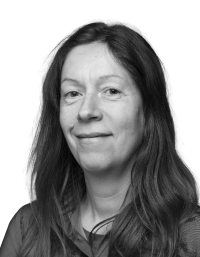
Elizabeth Turp, psychotherapist
Whose knowledge counts?
These cases highlight questions of epistemic injustice: whose knowledge counts, and what happens when a patient’s body or experience is dismissed? Without critical reflection, psychotherapy risks replicating the same hierarchies that often define Western medicine – positioning professional authority over clients’ lived experience and the able body over the disabled one. The field’s foundations, shaped by white, male, Western norms, continue to influence how mental health disciplines pathologise bodies and conditions perceived as ‘other’. Assumptions about normality, productivity and human worth surface clinically and in wider political and cultural narratives, from pandemic policy to parliamentary debate.
At the same time, a growing cultural and political movement is reshaping how illness and care are understood. In Ill Feelings, philosopher Alice Hattrick explores how doctors dismiss symptoms they cannot explain, rendering invisible what cannot be measured.7 Hattrick’s critique resonates with disability activist Eli Clare, who writes that the Diagnostic and Statistical Manual of Mental Disorders is ‘a highly constructed projection’ imposed on body-mind experiences to organise and define them within a particular world view.
Contemporary theorist Jessica Benjamin’s concept of mutual recognition invites therapists to enter a relational space not as experts decoding meaning but as witnesses to suffering.8 Here the therapeutic relationship becomes a space where silence, attunement and presence offer care without relying on cure – a stance of solidarity rather than interpretation.
This was the experience of 34-year-old child psychotherapist Georgina Porter. When she first became unwell with long COVID in 2021 she encountered the same response: ‘Are you sure it’s not depression? A lot of people are struggling with their mental health right now.’ But she knew the difference. ‘I had experienced depression before,’ she says. ‘This was something else entirely. My body had collapsed. I couldn’t move. It was like someone had taken the batteries out of me.’ She spent months in bed, terrified her life was over. ‘There were days I thought: “If this is forever, I’d rather not live.” Even those closest to her did not fully understand. ‘My family thought they were helping – bringing me soup, telling me I could get through it. But their fear read as disbelief. I felt like a hypochondriac in their eyes.’ She felt like her pain was a burden, and says, ‘It felt like I couldn’t take even the smallest sliver of space to feel broken or helpless, because that made other people uncomfortable.’
By 2040, 20% (nine million people) in England will live with major illness – a rise of 2.5 million since 201918
What helped through some of her dark nights of the soul was therapy. She says, ‘My therapist believed me. He didn’t try to fix me or challenge my account. He just got it. He could contain the hopelessness.’ Porter brings this embodied understanding into her own practice. ‘Belief is a powerful therapeutic tool. It means truly listening. And being willing to be with someone when they feel broken, without needing to rush them out of that state.’

Georgina Porter, child psychotherapist
Resilience culture
Modern therapy’s focus on ‘resilience’, prevalent in the NHS, is based on the idea that individuals can overcome adversity with the right mindset. This belief is mirrored in social media trends, such as TikTok’s fixation on manifestation – the notion that belief alone can change reality. Applied to chronic illness, such narratives risk becoming another form of violence, framing suffering as personal failure rather than the result of systemic neglect or biological reality. Disability justice writer Leah Lakshmi Piepzna-Samarasinha explains: ‘A disability justice framework understands that all bodies are unique and essential, that all bodies have strengths and needs that must be met.’9
Focusing on personal responsibility adds to existing biases about whose suffering is taken seriously and whose is ignored. Chronic illness intersects with structural racism, sexism and ableism. Research shows that black patients, women and disabled people are more likely to have symptoms minimised or misattributed to psychological causes.10 Research by University College London11 showed that autistic people often face barriers when seeking healthcare for chronic illnesses. These include uncertainty about when or how to seek help, communication difficulties and the sensory overwhelm of medical environments. Many also carry the weight of past experiences of stigma, discrimination or inadequate care, which can lower expectations and heighten anxiety. As a result autistic people are at increased risk of delayed or missed diagnoses, poorer health outcomes and premature mortality. Studies show that people from ethnic minority backgrounds in the UK are more likely to develop multiple long-term conditions and to do so at younger ages.12
Roxy Murray is a multiple sclerosis advocate who was diagnosed with the illness 19 years ago. She says that for those living at the intersections of race, sexuality, gender, disability or socioeconomic status, the weight of illness is even heavier. She says, ‘All too often we’re the ones left educating our therapists about our conditions, adding to the exhaustion we already carry. Because illness doesn’t happen in a vacuum – our experiences are shaped by who we are and the systems we move through. Intersectionality comes with added layers of stigma and gatekeeping. Many of us aren’t just managing our symptoms – we’re fighting to be believed, treated fairly and taken seriously.’
Losing trust in the medical system can leave lasting scars, affecting how people seek future healthcare, and Andrew Reeves worries that early experiences of dismissal may lead to long-term avoidance or fear, making health inequalities even worse in adulthood.
Bessel van der Kolk’s work on trauma and the body has been influential in challenging mind-body dualism.13 The concept that ‘the body keeps the score’ reflects a growing interest in how trauma may leave lasting imprints on the nervous system. Some neuroscientific models, such as neural predictive processing, suggest that after trauma or infection the brain starts expecting danger – a habit that keeps symptoms going even when the threat is gone. This view helps connect trauma theory with chronic illness, but critics say it is important not to overlook biological complexity.
Women (38%) reported a higher prevalence of chronic pain than men (30%)19
Several mind-body programmes claim to support recovery from chronic illness – including long-established interventions like the Gupta Program and newer educational or mindfulness apps such as Curable. Both draw on research into neuroplasticity and stress. Neither is recommended by NICE. Even so, Turp believes these approaches are useful for some conditions, and credits the Gupta Program with aiding her own recovery from ME and fibromyalgia. She advises clients to research thoroughly before committing, noting the lack of a solid evidence base. Nevertheless, some people have reported astonishing results with the Curable app, such as Fiona Symington, who recovered after spending about 25 years in bed with ME, and is now studying for a psychology doctorate. Long COVID advocate Margaret O’Hara remains sceptical, arguing that, in her experience, recovery depends on rest rather than structured programmes.
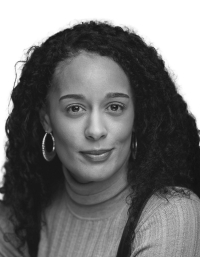
Roxy Murray, multiple sclerosis advocate
Working with chronic illness
Working with clients living with chronic illness requires careful ethical consideration. Turp suggests that therapists who lack understanding should consider whether they are equipped to take on this work. She warns, ‘It’s easy to do damage. People turn up in desperation – they have no hope. If one innocuous thing is said they can lose trust. It’s a minefield because of the damage already done repeatedly by medics and disbelieving loved ones.’ She highlights that therapists’ unconscious ableist beliefs, often due to a lack of education, can harm clients even when subtly expressed. She recalls a therapist repeatedly mispronouncing endometriosis: a seemingly small oversight that, for her, reinforced a painful pattern of not being listened to.
Education
The US podcast series The Chronic Illness Therapist is a good place to start for therapists seeking more knowledge about working with chronically ill clients. It focuses on lived experience and bridges clinical knowledge with personal stories. Its founder, therapist Destiny Davis, says: ‘We will no longer accept lack of answers, empathy and guidance from the professionals we are told to trust. It’s not in your head; you are not a burden.’
Reeves always asks his clients to describe their experience of their physical self, to help surface what may have been minimised. He also sometimes self-discloses about his health challenges. He says, ‘Some sharing can be enabling. It cuts out the need to explain and facilitates more in-depth storytelling, but there’s a fine line between that and stealing someone’s unique story.’
In his practice Reeves prioritises flexibility as otherwise therapy risks becoming yet another space of exclusion. He offers shorter sessions and encourages clients to move, walk or stand during the therapy, whatever is comfortable. Online sessions have made therapy more accessible, allowing clients to talk from home. Yet therapy can still be financially, physically or emotionally challenging. Many therapists work on the assumption of regular attendance, stable functioning and predictable schedules – expectations that often exclude those with complex needs. As Anne reflects, ‘Jo’s therapy was the same time each week, but many times he couldn’t manage it. I know the therapist could have seen other clients in that slot, but there was a strict cancellation policy, and we had to pay for missed sessions. Eventually we stopped. I’d given up work to care for Jo, and money was tight. Therapy became something else we couldn’t do.’
And when therapy becomes another source of pressure or exclusion, the cost isn’t just financial – it can deepen the isolation and hopelessness that make chronic illness psychologically dangerous. Suicide rates are higher among people with chronic illness, and there is a link between chronic pain, depression and suicidality.14 Much research highlights how chronic illness fosters hopelessness, helplessness and isolation – all key suicide risk factors.15,16 Many sufferers also experience a fear of being a burden,15 further increasing vulnerability. Reeves says, ‘Chronic pain can be hard to talk about. It can be mislabelled or misinterpreted and all this steals away from the person’s experience. Then you move away from the consequences of their experience, which can be that they sometimes don’t feel they can live their life anymore.’
Reeves’ own battles with chronic pain has sometimes left him overwhelmed and despairing. This experience has helped him teach therapists to address suicidality openly and non-judgmentally. Using an intersubjective approach, he asks clients: ‘Any one of us can find ourselves in a place where we feel so overwhelmed. Is that a place you ever find yourself in? Is that something that you could talk about here?’
Performer Oliver George talks about having long COVID on his Instagram account (@iamolivergeorge). The illness initially affected his voice, and one doctor told him to abandon his performing dreams and to become ‘a mime artist’ instead. During this time George experienced suicidal thoughts and deep hopelessness. Therapy helped but only when it respected his lived experience. He says: ‘If I’m coming to therapy, it’s to feel hopeful again. To feel I still have purpose. Therapists need to hold that, not take it away.’ He is currently having EMDR and shares its positive impact on social media.
Turp emphasises that therapists living with chronic illness need to care for themselves with the same attentiveness they offer clients. This means pacing clinical work with energy levels, setting boundaries around availability, and working with supervisors who understand the realities of illness.
Therapy can help shape the societal response to chronic illness. For many disabled, chronically ill and immunocompromised people, the threat of COVID-19 deepened isolation, fear and vulnerability. Public health messaging often treated them as acceptable losses, with phrases like ‘only the elderly or immunocompromised are at risk’ reinforcing the idea that disabled lives were expendable, and downplaying COVID’s impact to protect ‘normality’. O’Hara highlights the need to support clients in their grief and the systemic neglect they may have endured.
Therapists working with chronic illness need a thoughtful, flexible stance. Multiple sclerosis sufferer Roxy Murray’s own therapy helped her process the grief, frustration and identity shifts that come with a long-term illness. She says, ‘Having access to an online therapeutic space where I could unpack my raw emotions and trauma safely, without judgment, allowed me to live a fuller life while navigating chronic illness. It helped me understand and regulate my emotional triggers – something that, if left unchecked, could worsen my symptoms. Therapy, when done right, doesn’t erase the illness but gives us the tools to carry it without losing ourselves.’
This highlights how effective therapy offers containment and support, not by fixing but by helping clients make sense of their experience. As therapist Georgina Porter says, ‘We talk a lot in therapy about holding space. But we don’t always realise how hard that can be when someone isn’t getting better or when there’s no clear fix. My illness taught me what it means to sit with someone in the dark without rushing them towards the light.’
*Names have been changed.
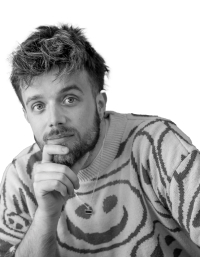
Oliver George, performer and host of Sick With Sarcasm podcast
References
1. Office for National Statistics. Prevalence of ongoing symptoms following coronavirus (COVID-19) infection in the UK: 30 March 2023. ons.gov.uk/peoplepopulationandcommunity/ healthandsocialcare/conditionsanddiseases/ bulletins/prevalenceofongoingsymptoms followingcoronaviruscovid19infectionintheuk/ 30march2023
2. University of Edinburgh. ME/CFS cases in England higher than first projected. 22 April 2025. www.ed.ac.uk/news/mecfs-cases-inengland- higher-than-first-projected
3. The Institute of Applied Health Sciences. UK healthcare services for people with fybromyalgia. University of Aberdeen. abdn.ac.uk/iahs/academic/epidemiology/ our-research/plain-language-summaries/ fibromyalgia-healthcare
4. Pring J. GB News says it has nothing to apologise for, after guest suggests starving disabled benefit claimants. 3 July 2025. disabilitynewsservice.com/gb-news-says-it-hasnothing- to-apologise-for-after-guest-suggestsstarving- disabled-benefit-claimants
5. Courts and Tribunals Judiciary. Maeve Boothby O’Neill: prevention of future deaths report. 8 October 2024. judiciary.uk/prevention-of-future-death-reports/ maeve-boothby-oneill-prevention-of-futuredeaths- report
6. National Institute for Health and Care Excellence (NICE). Myalgic encephalomyelitis (or encephalopathy)/chronic fatigue syndrome: diagnosis and management NICE. 29 October 2021. nice.org.uk/guidance/ng206
7. Hattrick A. Ill feelings. London: Fitzcarraldo Editions; 2021.
8. Benjamin J. An outline of intersubjectivity: the development of recognition. Psychoanalytical Psychology 1990; 7(Suppl): 33-46.
9. Piepzna-Samarasinha LL. Care work: dreaming disability justice. Vancouver: Arsenal Pulp Press; 2018.
10. Dorsey B, Holliman M, Stransky N et al. Disability doesn’t discriminate: health inequalities at the intersection of race and disability. Frontiers in Rehabilitation Science 2023; 4: 1075775. pmc.ncbi.nlm.nih.gov/articles/ PMC10357509.
11. O’Nions E et al. Diagnosis of common health conditions among autistic adults in the UK: evidence from a matched cohort study. The Lancet Regional Health – Europe 2024; 41: 100907. sciencedirect.com/science/article/pii/ S2666776224000735
12. Hayanga B, Stafford M, Bécares L. Ethnic inequalities in multiple long-term health conditions in the United Kingdom: a systematic review and narrative synthesis. BMC Public Health. 27 January 2023; 23(1): 178.
13. Van der Kolk B. The body keeps the score: brain, mind, and body in the healing of trauma. New York: Viking; 2014.
14. Racine M. Chronic pain and suicide risk: a comprehensive review. Progress in Neuro- Psychopharmacology and Biological Psychiatry 2018; 87(Pt B): 269-280.
15. Karasouli E, Latchford G, Owens D. The impact of chronic illness in suicidality: a qualitative exploration. Health Psychology and Behavioral Medicine 2014; 2(1): 899-908.
16. Rogers ML, Joiner TE, Shahar G. Suicidality in chronic illness: an overview of cognitive-affective and interpersonal factors. Journal of Clinical Psychology in Medical Settings 2021; 28(1): 137-148.
17. Faculty of Pain Medicine. UK pain key messages 2024. fpm.ac.uk/sites/fpm/files/documents/ 2025-02/UK%20Pain%20Message%20infographic% 202024.pdf
18. Mahase E. One in five adults in England will be living with a major disease by 2040, finds report. BMJ 2023; 382. bmj.com/content/382/ bmj.p1711
19. Public Health England. Chronic pain in adults 2017: health survey for England. assets.publishing.service.gov.uk/media/5fc8c6b78 fa8f547585ed7f3/Chronic_Pain_Report.pdf