
Our new Therapy Sessions campaign mixes music with conversations about mental health, highlighting how to access support from a qualified, registered therapist.
We’ve teamed up with music artists NOAHFINNCE and Pip Millett to help break down barriers to seeking professional support for 18 to 29 year olds.
Hosted by BBC Radio 6 Music presenter, DJ and BACP-registered therapist Nemone Metaxas, two intimate listening parties saw the artists talk about their personal experiences of therapy in front of an audience of fans.
Powerful and thought-provoking content from the sessions and from interviews with Noah and Pip have been shared across digital channels to prompt important discussions about mental health and therapy.
Using the focus on music, the campaign explores the pressures young adults face in their lives, how therapy can support them, how to access therapy and also addresses the difference between confiding in a chatbot and speaking to a registered therapist.
Key survey statistics
As part of the campaign, a survey of 1,000 UK adults aged 18 to 29 years old 1 found:
- 37% scroll on social media for emotional support, and 23% have used chatbots for the same reason. Just 25% would consider seeking support from a therapist.
- Almost half (49%) are unaware that anyone can call themselves a therapist.
- Six in 10 (61%) say hearing the musicians they follow open up about their own mental health makes them feel less alone, and 60% say it makes them feel more comfortable talking about their own experiences.
Campaign aims
The campaign is part of our wider public education and awareness work around therapy, our members, and BACP.
We've shared the survey results and content with journalists, with media outlets and podcasts popular with this age group, and through social media and digital advertising, and created a dedicated campaign microsite.
And we’ve stressed the importance of finding a therapist registered with a professional body, accredited by the Professional Standards Authority (PSA) - such as BACP.
We’ve also highlighted that while AI and social media can play a role in helping people understand their emotions, they should never be a substitute for professional support from a trained, registered therapist.
Visit the Therapy Sessions website
The Therapy Sessions website features personal stories of therapy from the music artists and young people involved in this campaign, comments from therapists, and information about therapy and how to access it.
'Therapy helped me understand why I react the way I do'

NOAHFINNCE is a punk-pop artist whose music explores identity and mental health
“Therapy helped me understand why I react the way I do and realise that some things I’d convinced myself were fine had actually affected me quite a lot. Understanding that doesn’t suddenly fix everything, but having someone to talk it through with has really helped.
“I’m taking part in BACP’s Therapy Sessions because I want to talk honestly about that, and how it feeds into my music. Hopefully, hearing about my experience will make talking to a therapist feel a bit less intimidating. You don’t have to have everything figured out before you start.”
'Therapy helps you navigate challenges'

Pip Millett is a Manchester-born R&B and soul artist
“Early adulthood can throw lots of challenges our way, but therapy can help to navigate these. It’s a long-term investment in yourself and can change your life.”
'Therapy offers a different level of connection'
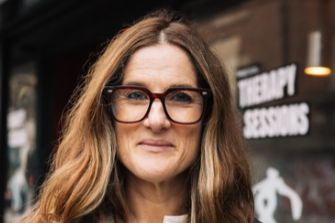
Nemone Metaxas, BBC Radio 6 Music presenter, DJ, BACP-registered therapist and Therapy Sessions host.
“Music has an incredible ability to help us make sense of our emotions and feel understood. Sometimes, though, we may need more than that. Therapy offers a different level of connection – a safe and confidential a space as possible to explore what we’re experiencing, with someone who is trained to listen and help us support us."
'You don't have to know exactly what to say'

Tanya Marwaha, 25, based in Brighton
“Growing up in a South Asian community, mental health wasn’t something we really spoke about. Opening up felt difficult because I worried about bringing shame on my family or people thinking differently of me. Therapy gives me somewhere to talk about what I’m going through and understand myself better, including things that feel difficult to discuss at home. You don’t have to know exactly what to say. Asking for help shouldn’t be something you feel guilty about.”
References
1 The research was conducted by 3Gem Research & Insights, 1,000 UK adults aged 18 to 29 year olds, between 7 - 10 November 2026.