
As global conflict continues to dominate headlines, therapists are reporting an increase in clients presenting with heightened anxiety linked to world events.
While anxiety in response to war is not new, practitioners say the scale of exposure, the speed of information and the wider social climate mean distress is being experienced in new and complex ways. We spoke to four therapists about what “war anxiety” looks like in practice - and what can help.
What is war anxiety?
Registered therapist and founder of Working Minds, Simon Coombs, describes war anxiety as a response to “forces beyond our control”. He reflects that public exposure to global events was once limited: “it was very easy to remain blissfully unaware of all but the most extreme news stories.”
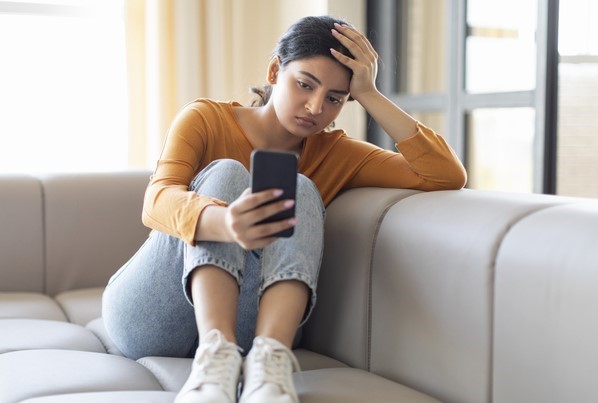
But now “24 hour rolling news, social media and a constant magnification of local and global politics and conflict, natural disasters, pandemics and general uncertainty feed a constant narrative of instability that pervades beyond our doorstep - and inside it too - leaving very little space for comfort and security,” shares Simon.
Accredited therapist Georgina Sturmer describes war anxiety as “a sense of fear or worry that creeps in when we start to think about conflict. It might be a sense that we are genuinely unsafe in our everyday lives. Or it might be a sense of unease or insecurity that comes with knowing that conflict exists, even in a faraway place.”
What are therapists seeing?
“Enquiries from people distressed about global conflict have definitely increased, as well as severe anxiety, low mood and feelings of fear and disempowerment. In short: our ‘comfort blanket’ has been removed,” asserts Simon.
“The outside world always permeates into the therapy room, both in obvious and in subtle ways,” adds Georgina. “Sometimes clients speak directly about fears linked to conflict. At other times, war anxiety presents as more of an underlying experience. A sense of unease or anxiety that we can’t quite pinpoint.”
Senior accredited therapist, Eve Menezes Cunningham, highlights that while some people are feeling heightened fear now, many - especially people from marginalised communities - have been feeling the anxiety for a long time. “People have been holding so much for so long,” shares Eve. “Clients often talk about their own lives and then the horrors of something way out of their control but that is so hard to endure hearing about and imagining.”
Why are some people more affected?
Registered therapist Susie Masterson explains that several factors can predispose people to anxiety, including genetics, gender, socio-economic status and adverse childhood experiences (ACEs).
“People with previous experience of trauma - in childhood or as adults - are more likely to be affected by war anxiety,” explains Susie. “This is because unprocessed trauma gets activated when something triggers us in our present.”
Simon adds that young people may be particularly vulnerable too: “Young people, in particular, will have less experience of how to cope with uncertainty generally and will be more at risk of catastrophic thinking about potential outcomes.”
Georgina highlights differences in personal connection and internal security, saying: “Some of us might feel a more personal connection to the conflict than others. Some of us might also have a weaker internal sense of safety and security than others.”
“Privilege also shelters some people,” adds Eve.
Spotting the signs
War anxiety can show up in a number of ways, including poor sleep, low mood and persistent anxiety linked to global events.
Georgina says signs may also include:
- Obsessively checking the news and talking about the conflict
- Experiencing unusual dreams with images of war
- Feeling on edge or irritable, without really feeling as if we know why
- Disagreements with others whose views differ
Eve adds that war anxiety can also “leave some people feeling completely overwhelmed, unable to function, as though day-to-day tasks feel pointless or even indulgent, alongside a fear that they are isolated.”
Top tips: what therapists recommend
While global events are beyond our control, therapists emphasise that there are practical steps we can take to support our wellbeing.
- Regulate your news intake
“If you are affected by war anxiety, it’s important to manage the flow of information,” says Susie. “Whilst being informed might help us feel more in control - aka knowledge is power - information overload (particularly if we aren’t learning anything new) can actually fuel our anxiety.” She suggests limiting news feeds and setting clear boundaries.
Simon recommends taking a “news/social media holiday” if it feels overwhelming or limiting yourself to “one news bulletin for a maximum of 5 mins per day.”
Georgina adds: “It’s common for us to feel as if we ’should’ keep ourselves engaged… But it’s important to remember that we are simply not designed to absorb and understand the volume of news that is available to us.”
- Focus on what you can control
“Firstly, we need to focus on and engage with activities that ‘bring us back’ to our world, and things we can control,” Simon explains.
He suggests simple tasks and routines, adding: “Active steps - no matter how small to start with - will engender better mood and improved sleep.”
Susie echoes this: “Whilst we cannot affect what happens in global conflict, we can affect many things in our immediate environment such as making a hot drink, reading a book, making our bed.”
- Understand your nervous system
Eve uses what she calls a “Polyvagal Purrs” approach to help clients understand stress responses. She describes “Freeze!” as a natural shutdown response to overwhelm, explaining that numbing and hopelessness can be understandable reactions in a 24/7 news cycle. “Hiss!” reflects a fight-or-flight state often intensified by division and scapegoating.
The aim is to cultivate “Purr!” - a state of compassion, curiosity and connection - while recognising that both “Freeze!” and “Hiss!” are adaptive survival responses. “Creating safety and connection now, is possible even with war,” says Eve.
- Practise self-compassion and connection
Eve also uses her “Feel. Love. Heal.” framework to encourage self-care for people with war anxiety. The “Feel” element focuses on regulation - breath practices, swimming or other activities that help settle the body. The “Love” element centres on remembering that “you don't need to do anything to be worthy, lovable and enough.” The “Heal” element highlights collective care - connecting with communities and taking meaningful action.
Susie also encourages reflection on past resilience: “Make a list of times when you felt the same emotions and bodily sensations you are experiencing… remember that you got through this then and you can get through this now. We don’t have to be robust to be resilient.”
- Seek professional support if needed
For some, self-help strategies may not be enough. Simon advises that anyone who finds the day-to-day impact too much to manage should consider counselling support, where fears can be explored in “a compassionate and non-judgmental space”.
All four therapists echoed that while we cannot control global conflict, we can take steps to protect our mental health.
By stepping back from the relentless scroll, reconnecting with what is within our control and nurturing compassion for ourselves and others, it is possible to reduce anxiety and strengthen resilience - even in uncertain times.
Our call for clearer AI regulation in mental health
We highlighted need for transparency, accountability, and public protection in response to MHRA consultation.
Four in five therapists say lockdown continues to damage children’s mental health
Therapists warn of lasting lockdown legacy as new survey shows children’s needs grow more complex

Anxiety
What is anxiety? What causes it? What’s the best way to cope with anxiety? BACP accredited therapist Kamalyn Kaur shares her top tips and explains how counselling can help.