
As we mark International Women’s Day, we invited several members to reflect on common themes they’ve noticed in their practice — from rising exhaustion and economic pressure to identity shifts and resilience.
In this article, they describe their experiences of key pressures, recurring patterns, and moments of growth with women they work with.
Rethinking life paths and seeking wellbeing
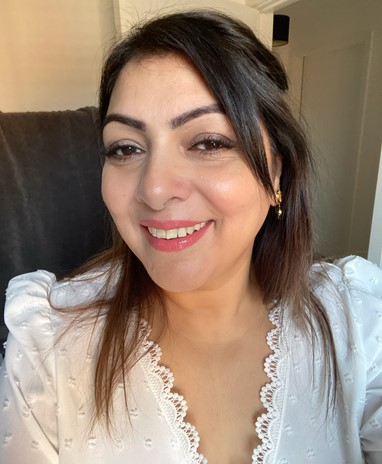
Baljit Kamal is the founder of Well Space Therapy and is passionate about helping people overcome challenges and the unpredictability of life. She believes that given the right conditions, everyone has the potential to thrive and live a fulfilling and happy life.
Baljit says that women today face strong pressures, from work and caregiving to self-growth, with mental health increasingly seen as an interconnected, whole-life experience:
“What I’m seeing and hearing this year includes a variety of issues reflecting the diverse needs and demands of modern life. What feels more intense is that women are questioning if their current path is sustainable and are seeking support to enhance their optimal well-being.
“Emotional labour is no longer rare — it’s a common concept I hear frequently. Many women are navigating life transitions, caregiving, dating burnout, and tools to manage self-esteem. There has also been a shift in traditional roles, with women renegotiating what partnership looks like.
“Disconnection from self and others is recurring, with the desire to build more meaningful relationships. This has led to exploration of personal growth, feelings of guilt, and managing boundaries. From my observation, mental health is increasingly being viewed as an ecosystem — a full-body, full-person, full-life experience.”
The weight of modern life
Jodie McCormack is a Birmingham based integrative counsellor specialising in supporting women with anxiety, relationships, self-esteem, and trauma.
The cumulative pressures women face are immense, says Jodie:
“I’m noticing how much women are carrying and how little space there is to put any of it down. There’s a mix of exhaustion and frustration, and many feel guilty for feeling overwhelmed.
“Workplace stress feels heavier; I hear more women feeling dismissed while being expected to absorb increasing demands. Caregiving continues to fall disproportionately on women, and the cumulative weight of that is showing.
“Many are trying to keep up professionally while meeting the emotional and physical demands of caregiving, all while caring for themselves. There’s a pressure to push through, perform, and remain productive, even while knowing rest is essential to avoid burnout.
“Financial pressures and limited flexibility mean slowing down often feels impossible. What I’m increasingly aware of is how heavy this feels, even with growing awareness and language around the issues. Women continue to fight on multiple fronts — at work, at home, and in relationships.”
Equality hopes, patriarchal realities
Hannah Jackson‑McCamley is a therapist based in London specialising in relationships, life transitions and personal growth.
Hannah says she’s observing systemic challenges:
“The women I work with represent diverse ages, socio-economic, sexual, and racial identities. I’m increasingly witnessing a collective grappling between liberal, feminist ideals versus patriarchal realities of systemic misogyny and gendered discrimination.
“This emerges when exploring topics including body size, sex, parenting, relationships, employment, and safety, and manifests as overwhelm, anxiety, depression, disordered eating, self-harm, and trauma. Some clients experience an existential reckoning with the life they were ‘sold,’ navigating anger, shame, and sadness.
“Yet, despite enduring inequality, I’ve observed palpable psychic growth — defiance and resurgence as women battle internal and external misogyny, create boundaries, and communicate their values. There is an activist spirit, tending not only to individual wounds but to the wider community. With enhanced consciousness, there is the possibility to challenge and heal gendered injustices.”
Hannah also highlights the importance of recognising hormonal changes:
“It’s encouraging that cultural conversations increasingly discuss menopause. Historically, mood changes linked to hormonal shifts were often ignored in therapy, creating a mind-body gap that undermines the emotional impact of these changes. Addressing this helps clients challenge silence and shame, encouraging more nuanced thinking about symptoms and solutions.”
Exhausted but evolving
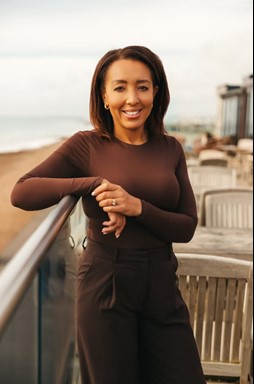
Natasha Nyeke is a Brighton-based, person‑centred counsellor who supports individuals and couples with anxiety, self‑esteem, relationships, and family‑related challenges,
Underneath the mask of coping, women face exhaustion, anxiety, and relentless responsibility says Natasha - but she also sees increasing resilience and self-compassion:
“In 2026, I’m sitting with women who appear to be coping, yet underneath they feel exhausted and overwhelmed. They laugh about the chaos, but don’t feel able to carve out space to breathe. They are thoughtful and emotionally aware, striving to parent consciously, regulate reactions, validate every feeling, and break generational cycles — all while building careers, maintaining relationships, supporting aging parents, and navigating hormonal changes.
“Anxiety that never fully switches off, a constant sense of responsibility, and creeping resentment are common. Many feel like they’re spinning plates and dropping them all.
“Part of my role is helping them see that not all the plates are fragile; some can be plastic, and they can be dropped. Life doesn’t become easier because everything changes — it becomes easier because they do. What I see isn’t women falling short; I see them learning to like and respect themselves again, not as perfect mothers, but as imperfect humans doing their best.”
Baljit Kamal
Jodie McCormack
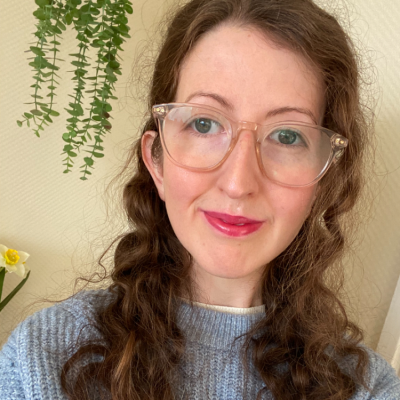
Hannah Jackson‑McCamley

Natasha Nyeke
No More Stiff Upper Lip campaign launches to tackle epidemic of silence among women over 50
Two thirds of women over 50 struggle with midlife mental wellbeing, our survey found

Menopause myths: What women really need to know
Therapists discuss common menopause myths and how to manage wellbeing
International Women's Day
Our members highlight women who helped inspire their therapy career to celebrate International Women's Day