
Four in five therapists (80%) working with children say they are still seeing the impacts of lockdown on children and young people’s mental health, according to our new figures1 from our recent survey of members.
New findings
The new data highlights the long shadow cast by the pandemic on children’s emotional wellbeing, with therapists identifying neurodivergence-related issues (71%), family problems (67%) and general anxiety (62%) as the most common reasons children are coming to therapy.
Alarmingly, almost three in five therapists (58%) report that children’s mental health has deteriorated compared to last year, while nearly two thirds (65%) have seen an increase in more complex mental health issues. Therapists also report growing pressures on an already overstretched system, with 59% seeing more children waiting over a year for support elsewhere.
The "missing middle"
The findings add to the growing evidence of the persistent psychological legacies of the pandemic and underline the urgent need for government-funded school counselling as a vital early intervention, particularly for children who fall into the so-called “missing middle” – those who need more support than pastoral care or brief interventions, but do not meet the threshold for specialist CAMHS services.
Complex problems
Dr Lisa Morrison, BACP Director of Professional Standards, Policy, and Research said:
“Lockdown may feel like a distant memory, but for many children across the country its impact is still being felt every day. Therapists are telling us that children’s mental health is deteriorating, problems are becoming more complex, and too many young people are waiting far too long for help.
“School counselling offers a safe, non-stigmatising space where children can make sense of what they’re experiencing and get support before issues escalate. It is one of the most effective forms of early intervention we have – yet in England it remains unavailable to too many children.
“The Government must expand Mental Health Support Teams and fund counselling across all primary, secondary and further education settings in England, ensuring every child has access to timely, professional support wherever they live.”
Misunderstood
Senior accredited psychotherapist, Debbie Keenan, who works in a secondary school, and also works with children in has her own private practice, said:
''Nearly six years on, the ripple effects of the Covid lockdowns are still felt in schools every single day. The disruption, uncertainty and isolation many children experienced continue to shape how they learn, behave and relate to others. These challenges don’t stop at the school gate – they show up as heightened anxiety, poor concentration, friendship breakdowns, increased absence and behaviour that is too often misunderstood as disruption rather than distress.
“The complexity of what children are bringing into school now demands specialist, sustained mental health support, not short-term fixes or overstretched interventions. Without access to counselling in schools, many children simply fall through the cracks. By the time they reach specialist services, their anxiety and emotional difficulties are often far more entrenched and far harder to resolve.''
Postcode lottery of provision
England is currently the only home nation without government-funded secondary school counselling, with Scotland, Wales and Northern Ireland all providing funded, independently delivered services. As a result, schools and colleges in England face a postcode lottery of provision, often struggling to fund counselling themselves.
Investing in school counselling benefits not only children, but education and the wider economy. Research by BACP and Citizens UK2 confirms the long-term benefit to the taxpayer of access to counselling in all schools is eight times the cost of the investment, while also improving attendance and academic achievement.
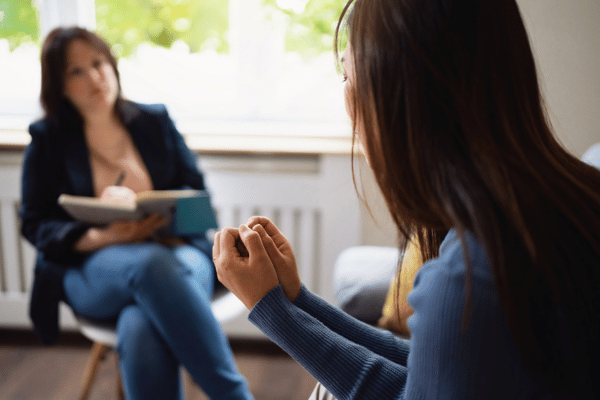
BACP Mindometer 2025
Our annual survey into the state of the nation's mental health
Government must act now to avoid children and young people's mental health crisis
We support mental health charities' research based call for urgent Government action on children and young people’s mental health services
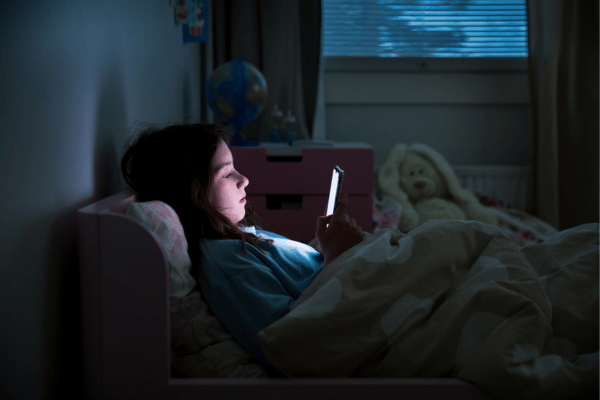
Therapists warn of dangers as children turn to AI for mental health advice
Our new survey reveals one in five therapists reported children receiving harmful mental health advice from AI.
References
About Mindometer
All figures are from our annual Mindometer survey of BACP members. Total sample size was 2,980 therapists. Fieldwork was undertaken between 3 – 17 September 2025. The survey was carried out online. For more information, please visit https://www.bacp.co.uk/about-us/about-bacp/bacp-mindometer-2025/
[1] Mindometer 2025 - https://www.bacp.co.uk/about-us/about-bacp/bacp-mindometer-2025/
[2] https://www.bacp.co.uk/news/news-from-bacp/2024/6-june-school-counselling-brings-long-term-economic-benefit-first-of-its-kind-report-reveals/