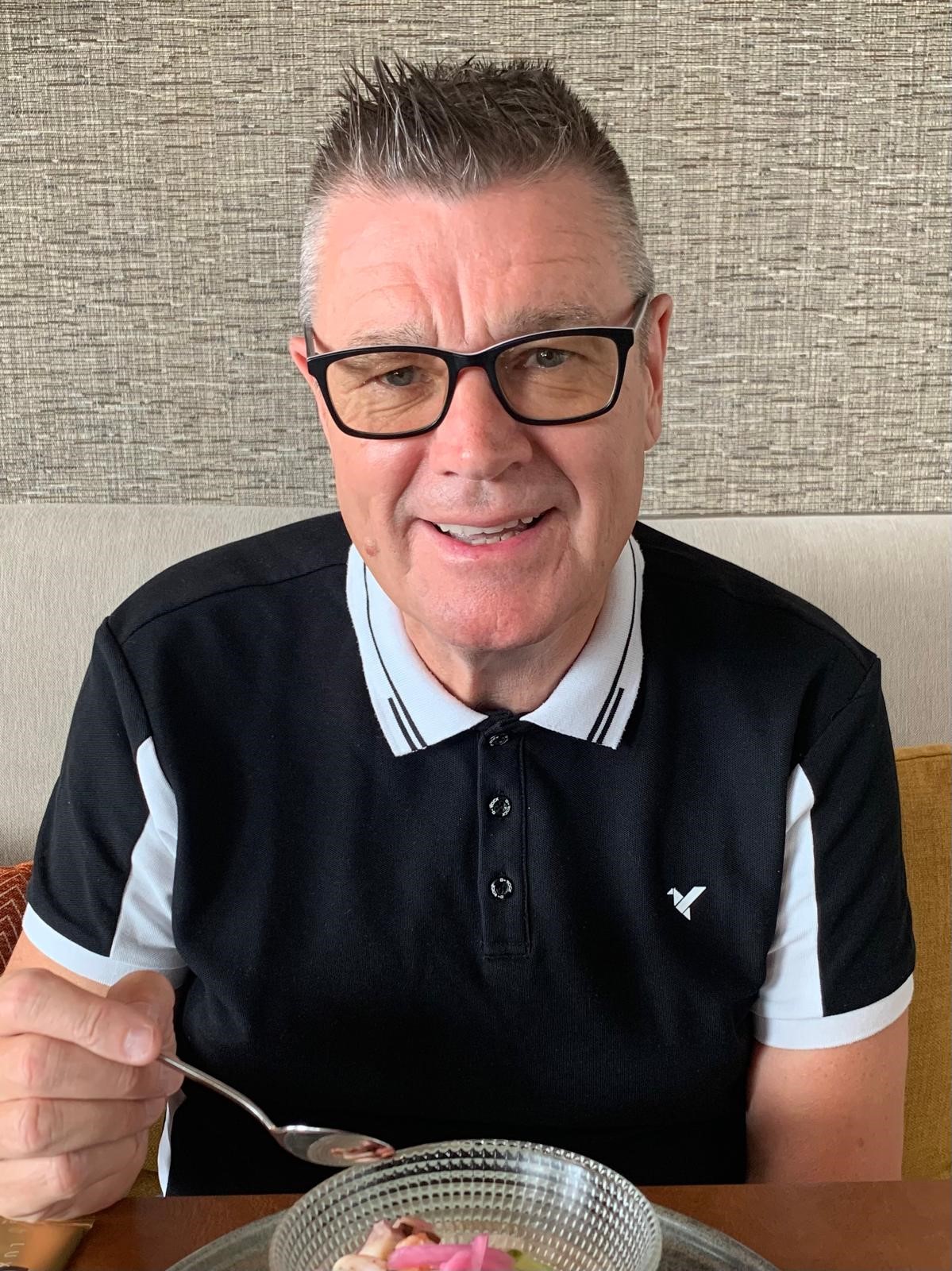
Robert Marshall
Registered Member MBACP
Contact information
- Phone number
- 07803184854
Supervisor - Arbroath
Features
- Flexible hours available
- Concessionary rates
About me and my therapy practice
I offer a calm, confidential and reflective supervision space where counsellors can step back from the intensity of the work and think openly about their practice. Supervision can be a place not only to discuss client work, but also to reflect on how the work is affecting you as a practitioner.
Therapeutic work can be deeply meaningful, but it can also carry pressure and responsibility. My intention is to offer a steady and supportive space where you can bring both the clarity and the uncertainty that naturally arise in practice.
Our conversations are collaborative rather than directive. I will not position myself as the expert on your clients or your way of working. Instead, we explore the work together, paying attention to the relational dynamics, ethical considerations and emotional responses that can emerge when working closely with people’s lives.
At times this may include gentle challenge or reflective questions that support deeper awareness. The intention is always to encourage thoughtful reflection rather than judgement.
My approach is informed by both professional training and lived experience of navigating personal struggle and recovery. Because of this, I hold a deep respect for how much people can carry beneath the surface, including those in caring professions. Supervision can offer a place where that reality can be spoken about honestly.
It can also be a space where you can talk about the moments in practice that feel uncertain, challenging or emotionally demanding without feeling that you need to have everything figured out.
Some supervisees bring specific client material or ethical questions, while others use the space to reflect more broadly on their development as therapists and the kind of practitioner they want to become over time.
My aim is to offer a grounded and compassionate supervision space where practitioners can think openly about their work, sustain themselves in the profession, and continue developing their own authentic way of practising.
Practice description
My approach to supervision is grounded in a person-centred philosophy, offering a relationship built on empathy, compassion, acceptance and non-judgement. I aim to create a calm, reflective and confidential space where counsellors can think openly about their work and feel supported in the challenges it brings.
Supervisees often tell me they value the thoughtful space we create together and the opportunity to reflect on their work without feeling rushed or judged. I believe professional growth begins when practitioners feel understood rather than evaluated. My role is not to tell you how to work, but to walk alongside you as you reflect on your clinical work, your responses in the therapeutic relationship, and the complexities that arise in practice.
We can explore client material, relational dynamics, ethical considerations, and the emotional impact the work can carry. Supervision offers a space to pause, think more deeply, and reconnect with your own judgement and therapeutic voice. It can also be a place where difficult aspects of the work—uncertainty, frustration, shame or fear of getting things wrong—can be spoken about openly.
Over a decade ago I experienced severe alcohol addiction despite professional success. Early recovery built on willpower proved unsustainable under pressure. Working through that period changed how I understand struggle, shame and identity, and led me to retrain in psychotherapy and develop a practice grounded in emotional honesty, compassion-led accountability, and personal responsibility.
My lived experience informs my attunement to the pressures, self-doubt, and quiet strain many carry beneath professional roles. Some supervisees bring specific client material, while others simply need space to pause and reflect. My aim is to offer a grounded, compassionate supervision space where practitioners can think openly and continue developing their authentic way of practising.
Types of therapy
Behavioural, CBT, Cognitive, Family therapy, Humanistic, Person centred, Psychodynamic
Clients I work with
Adults, Trainees
How I deliver therapy
Home visits, Long-term face-to-face work, Online therapy, Short-term face-to-face work, Telephone therapy
Languages spoken
English
Therapist - Arbroath
Features
- Flexible hours available
- Wheelchair accessible office
- Available for home visits
- Concessionary rates
About me and my therapy practice
I work from a person-centred foundation, offering a counselling relationship built on empathy, compassion, acceptance and non-judgement. My aim is to create a calm, safe and confidential space where you can speak openly and feel genuinely heard.
I believe meaningful change often begins when people feel understood rather than analysed or judged. My role is not to tell you what to do, but to walk alongside you as you explore your thoughts, feelings and experiences. Together we can develop a deeper understanding of what may be happening in your life and identify the changes that feel right for you.
Over a decade ago I experienced severe alcohol addiction despite outward professional success. An early recovery built largely on willpower proved unsustainable under pressure. Working through that period of my life changed how I understand struggle, shame and identity. It ultimately led me to retrain in psychotherapy and develop a practice grounded in emotional honesty, compassion-led accountability and personal responsibility.
My lived experience does not define my work, but it informs my attunement to the realities many people face: shame, relapse, self-doubt and the sense that life can quietly come apart under pressure.
Clients often tell me they value the calm, thoughtful space we create together and the opportunity to speak openly without feeling rushed or judged.
I work with individuals and couples experiencing challenges such as anxiety, depression, relationship difficulties, family conflict, trauma, addiction recovery and life transitions. Sessions move at a pace that feels safe and manageable for you. My intention is to offer a space where you can develop greater clarity, resilience and self-understanding while feeling accepted exactly as you are.
Practice description
I offer a calm, confidential and non-judgemental space where you can talk openly about what is happening in your life. Many people come to counselling feeling overwhelmed, stuck, or unsure where to begin. My role is to listen carefully and help create an environment where things can be explored honestly and at a pace that feels safe for you.
Sessions are conversational and collaborative rather than directive. I will not tell you what you should do. Instead, we work together to understand the thoughts, emotions and experiences shaping your current situation. Through this process people often begin to recognise patterns, develop emotional clarity and reconnect with their own sense of direction.
My approach is informed by both professional training and significant lived experience of navigating personal struggle and recovery. Because of this, I have a deep respect for how life can quietly come apart under pressure, particularly when people carry shame, high expectations, or a sense that they should be coping better than they are.
Clients often say they value the balance of empathy, compassion and honesty within the sessions. At times this may include gentle challenge or reflective questions that help bring greater awareness to the ways identity, relationships and past experiences can shape the present.
I work with individuals and couples facing challenges such as anxiety, depression, relationship difficulties, family conflict, trauma, addiction recovery, stress and major life transitions. Some people come with a clear issue they want to work through, while others simply need a space to talk and begin making sense of things.
My aim is to provide a steady, grounded space where you can explore your experiences openly and begin to rebuild clarity, resilience and self-understanding.
Types of therapy
Behavioural, CBT, Cognitive, Family therapy, Humanistic, Integrative, Person centred, Psychodynamic
Clients I work with
Adults, Couples, Families, Older adults, Organisations, Trainees, Young people
How I deliver therapy
Home visits, Long term sessions, Long-term face-to-face work, Online therapy, Short term sessions, Short-term face-to-face work, Telephone therapy
Languages spoken
English