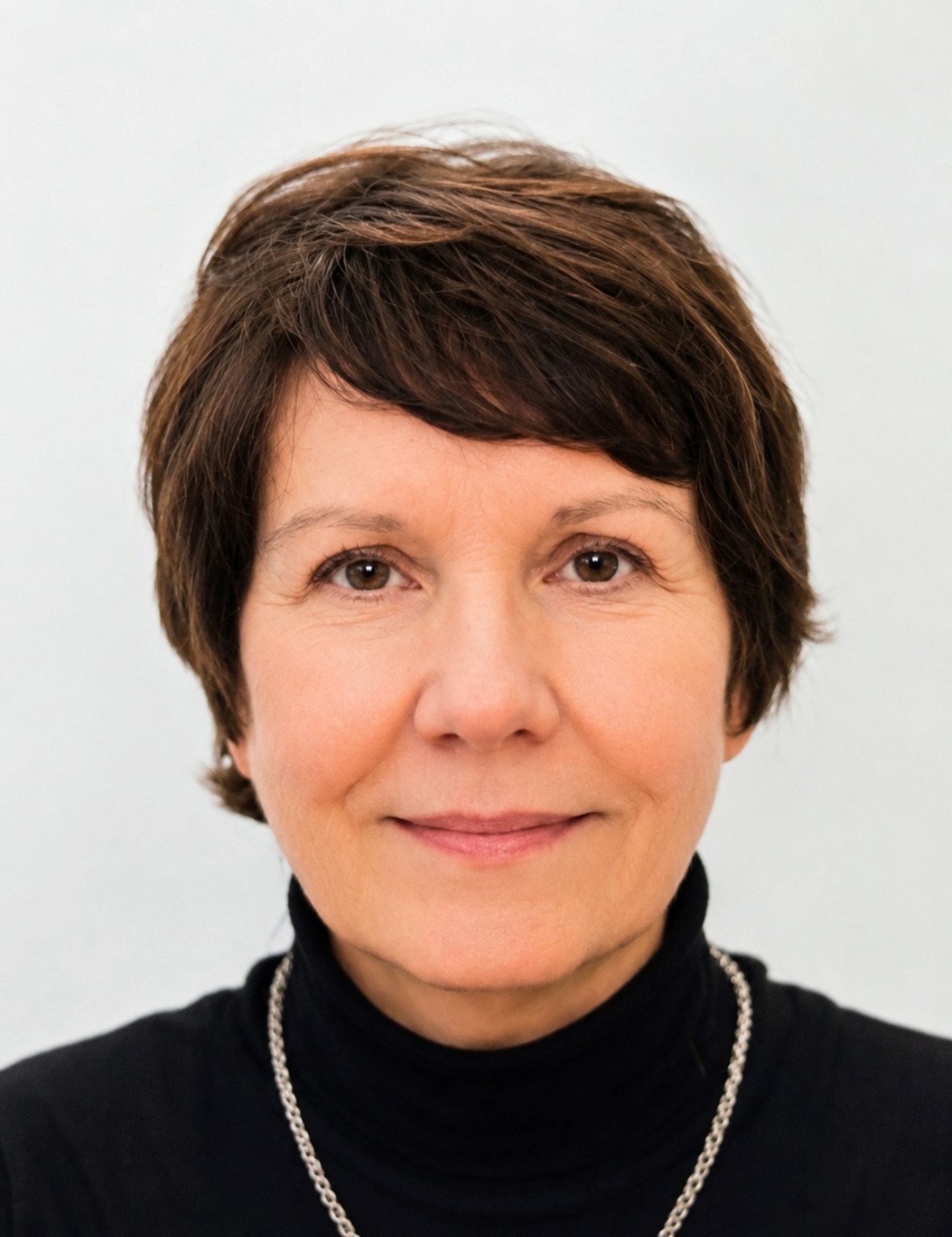
Joanne Baillie
Registered Member MBACP
Contact information
- Phone number
- 07552941604
Supervisor - Derby
Features
- Flexible hours available
About me and my therapy practice
My approach to supervision is relational, creative, integrative and developmental. I want supervision to be a space where practitioners can bring uncertainty as well as confidence, difficulties as well as successes, and know that both support and thoughtful challenge are available.
The supervisory relationship is central to how I work. I aim to offer warmth, honesty and psychological safety, while recognising that good supervision should not simply reassure. At times, we need to sit with discomfort, notice what may be avoided and respectfully challenge assumptions, including our own.
Creativity is an important part of my practice. Supervision does not always have to begin with talking. We might use sand tray, metaphor, images, objects, drawing, scaling or positioning to explore a client relationship, a dilemma or the supervisee's own response. Creative approaches can make visible something that has been difficult to articulate.
My practice is integrative and holistic, drawing particularly on person-centred principles, attachment, trauma-informed and developmental thinking. I am interested in the whole therapeutic system: the client, practitioner, relationships, family, organisation and wider context.
Rather than moving too quickly to “What should I do?”, I encourage us to slow down and ask: What is happening here? What might the client be communicating? What is happening in me? What am I being pulled towards? What might I not be noticing?
I also see supervision as holding important ethical, safeguarding and professional responsibilities. Reflection needs to translate into safe, accountable practice.
As a trainee creative supervisor, I am developing too. I bring my supervisory work to supervision, remain open to feedback and recognise the limits of my competence.
Ultimately, I do not want supervisees to become dependent on my answers. I want supervision to strengthen their capacity to think, reflect, tolerate uncertainty and trust their developing professional judgement.
Practice description
I offer creative, relational and integrative supervision for counsellors, play therapists, coaches and practitioners working therapeutically with children, young people and families.
My practice is grounded in a person-centred relationship, creating a supportive but appropriately challenging space in which supervisees can explore their client work, professional development and their own responses within the therapeutic relationship. I see supervision as somewhere we can be curious about uncertainty rather than feeling we must always arrive with an answer.
Creativity is central to my approach. Alongside reflective conversation, supervision may include sand tray, metaphor, imagery, objects, drawing and other experiential approaches. These can help us notice relational dynamics, transference and countertransference, patterns and feelings that may be harder to access through words alone.
My integrative thinking draws on humanistic, attachment, developmental, trauma-informed and systemic perspectives. I consider the wider context surrounding the work, including family, school, culture and organisational systems.
Supervision also has an important ethical and safeguarding function. I support practitioners to think carefully about boundaries, risk, safeguarding, professional responsibilities and decision-making while keeping the child's or young person's voice at the centre.
As a trainee creative supervisor, I work within my competence, undertake supervision of my supervisory practice and remain actively engaged in my own learning and development.
My aim is not to provide all the answers, but to create a space in which practitioners can think more deeply, understand themselves and their clients more fully, and develop confidence in their own professional judgement.
Challenge • Reflect • Grow
My first session
Our first supervision session is primarily about building the relationship and creating a clear foundation for working together. I want to understand you as a practitioner, the context in which you work, and what you need from supervision.
We will explore your professional background, current role, client group, therapeutic or coaching approach, experience and stage of development. We will also consider previous experiences of supervision—what has been helpful, what has not, and what you would like to be different.
An important part of the first session is contracting. We will agree expectations around confidentiality and its limits, safeguarding, ethical responsibilities, record keeping, communication between sessions, cancellations, frequency of supervision and what happens if concerns arise about practice.
I will invite you to think about how you learn and reflect best. Because my approach is creative and experiential, we may explore whether approaches such as metaphor, imagery, objects, drawing or sand tray would be useful for you. Creativity is always an invitation rather than an expectation.
We will also begin to identify your developmental goals for supervision. These might relate to confidence, therapeutic relationships, boundaries, safeguarding, working with complexity, theory, use of self, transference and countertransference, or developing your own professional identity.
You are welcome to bring a client or practice issue to the first session, but there is no pressure to arrive with a perfectly prepared case. The first meeting is also an opportunity for both of us to consider whether the supervisory relationship feels like a good fit.
My hope is that you leave the first session feeling that supervision can be a place where you can bring the difficult things as well as the things that are going well—and where it is safe to be curious, challenged and still learning.
Types of therapy
Creative therapy, Humanistic, Integrative, Jungian, Person centred, Play therapy, Relational
Clients I work with
Adults, Organisations, Trainees
How I deliver therapy
Online therapy
Languages spoken
English, Persian (Farsi)
Therapist - Derby
Features
- Flexible hours available
- Available for home visits
- Concessionary rates
About me and my therapy practice
I offer relational, creative and developmentally responsive therapy for children, young people and adults. At the heart of my practice is the belief that therapeutic change grows from relationship: feeling safe enough to be seen, heard and accepted without judgement.
My foundations are person-centred and humanistic, influenced by Carl Rogers and Virginia Axline, alongside attachment, developmental and trauma-informed thinking. I work integratively, using theory to remain curious about the person rather than fit them into a particular model.
I work with children from age five, adolescents and adults, adapting therapy to developmental needs and preferred ways of communicating. Words are not always the easiest—or most appropriate—way to express what is happening internally.
For children, the therapeutic language may be play, sand, art, story, metaphor, movement or imagination. With adolescents, creativity and conversation can sit alongside one another. With adults, therapy is often conversational and reflective, with creative approaches available when helpful.
I am interested not simply in what someone is doing, but what may be happening underneath it. Behaviour, anxiety, withdrawal, anger or relationship difficulties can carry meaning. Together, we can explore experiences, patterns, strengths and unmet needs without rushing to remove the symptom before understanding it.
The therapeutic relationship provides a consistent space to explore these experiences. I pay particular attention to attachment, emotional regulation, relational patterns and the impact of trauma and adversity, while recognising the strengths each person brings.
My role is not to provide all the answers or direct someone towards who I think they should become. It is to meet them where they are, understand their world alongside them, and create the conditions in which their own capacity for growth can emerge.
Practice description
Clients can expect a professional, reliable and confidential therapeutic service, grounded in careful assessment, reflective practice and a strong therapeutic relationship. I work with children from age five, adolescents and adults, offering face-to-face therapy for children and young people and online counselling for adolescents and adults where appropriate.
My practice is relational, creative, integrative and developmentally informed. Sessions are shaped around the individual rather than a fixed programme and may include play, sand, art, metaphor, storytelling, creative exploration and talking. I particularly value creative approaches where experiences, emotions or relationships are difficult to put into words.
I bring together person-centred and relational therapy with attachment, developmental psychology, trauma-informed practice and an understanding of neuroscience. Rather than focusing only on presenting behaviour or symptoms, I am interested in what may sit beneath them and what they communicate about a person's experiences, relationships and emotional world. This understanding informs the developing therapeutic formulation and direction of the work.
Alongside individual practice, I provide therapeutic services within schools through half-day and full-day provision. This includes assessment, therapeutic intervention, review, outcome monitoring, parent/carer consultation and reporting, alongside appropriate liaison with SENCOs, pastoral teams and safeguarding leads. I aim to work collaboratively with the adults around the child while protecting the confidentiality and integrity of the therapeutic relationship.
Across my practice, I aim to provide a space where people can feel safe enough to explore, make sense of their experiences, develop greater emotional regulation and self-understanding, and discover their own capacity for change.
My first session
The first session is an opportunity for us to begin to understand what has brought you to therapy and what you would like help with. I will ask some questions about your current situation, relevant background information, and what you hope to gain from counselling. This helps us decide together whether this way of working feels right for you.
For adults and adolescents, the first session usually involves an initial assessment and discussion of goals, as well as explaining how therapy works, confidentiality, and practical arrangements. You are welcome to ask questions at any point, and there is no obligation to continue if you feel the approach is not right for you.
For children and young people, the first stage normally includes a parent or carer consultation, followed by an assessment period to help understand the child’s needs before ongoing sessions begin. This may include gathering information from parents, carers or school where appropriate, and agreeing clear aims for the work.
Where therapy takes place in schools, the first stage will usually involve referral information, assessment, and consultation with school staff and parents or carers, followed by a planned block of sessions with review points and written feedback.
The first session is charged at the same rate as ongoing sessions unless otherwise agreed.
What I can help with
Abuse, ADD / ADHD, Adoption, Anger management, Anxiety, Autism spectrum, Baby loss, Bereavement, Child related issues, Coach Therapist, Coercive control, Cultural issues, Depression, Development coaching, Health related issues, Identity issues, Infertility, Life coaching, Loss, Menopause, Neurodiversity, Personal development, Post-traumatic stress, Pregnancy related issues, Relationships, Self esteem, Spirituality, Stalking, Stress, Trauma, Women's issues
Types of therapy
Creative therapy, Humanistic, Integrative, Jungian, Person centred, Play therapy, Relational
Clients I work with
Adults, Children, Families, Older adults, Organisations, Young people
How I deliver therapy
Home visits, Long term sessions, Long-term face-to-face work, Online therapy, Short term sessions, Short-term face-to-face work, Time-limited
Languages spoken
English, Persian (Farsi)