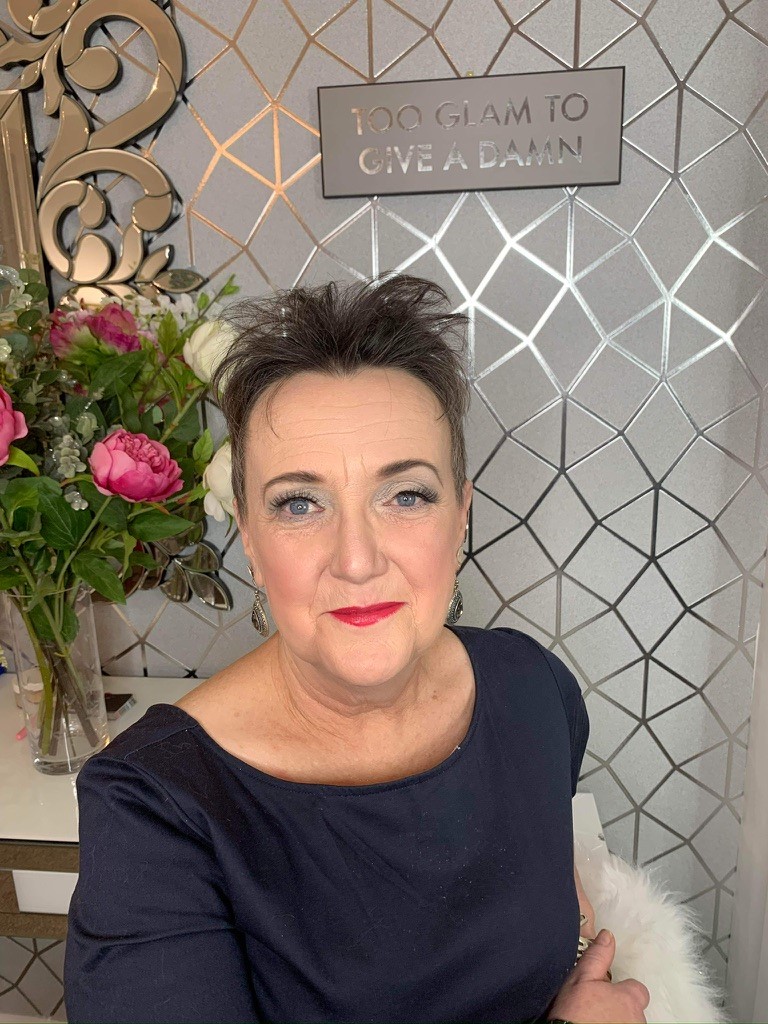
Patricia Joyce
Registered Member MBACP (Accredited)
Contact information
- Phone number
- 07746052184
Therapist - Aberdeen
Features
- Flexible hours available
- Concessionary rates
About me and my therapy practice
As a pluralistic therapist, I offer highly personalized, client-led therapy that abandons the "one-size-fits-all" approach. By blending diverse techniques with ongoing collaboration, we tailor your treatment to exactly what you need at any given moment. You are the true expert on your own life.For decades, the world of mental health has been dominated by a "my way is the only way" mentality. Some therapists will tell you that cognitive restructuring is the ultimate answer. Others will insist that only deep, childhood-focused psychoanalysis can heal you. Still, others might focus entirely on your physical being, or strictly on your current daily behaviors. But let us look at the reality of human suffering and human growth. Have you ever tried a self-help method or a type of therapy that worked beautifully for a friend, but felt entirely wrong for you? That is not a failing on your part. It simply means that your unique mind, history, and goals require a unique approach.This is exactly where pluralistic therapy comes in. As a pluralistic practitioner, I do not ask you to fit into a rigid psychological box. Instead, I recognize that there are many effective ways of helping people. The core philosophy of this approach—co-created by leading thinkers in the field—is rooted in profound respect for you as a unique individual. You are not a passive recipient sitting on my couch; you are my co-therapist. Together, we explore what you want to achieve and discuss exactly how we are going to get there.
Practice description
When you step into my therapy room, our very first step is to establish what your goals are. What do you want to change? What does a better life look like for you? You might come to me battling severe anxiety, but your goal might not be to eliminate the anxiety entirely. Instead, your goal might be to learn how to manage it so you can finish your university degree. Or perhaps your goal is to understand the root cause of your feelings so you can build deeper, more meaningful relationships. Whatever your target is, we put it at the centre of our work.Once we know what you want to achieve, we address the "how." Do you prefer highly structured, action-oriented sessions where we analyze your daily thoughts and map out behavioural experiments? Or do you prefer a gentle, open-ended space where you can just talk, feel heard, and process your emotions without receiving advice? Do you want to focus on the past, or would you rather look strictly at the present and future? Perhaps you want a mix of both? Because I am trained in a wide variety of therapeutic modalities, I am not limited to a single school of thought. If one method feels like it is not helping you, we do not force it. We can adapt, pivot, and try something entirely different. This continuous, open dialogue about what is working and what isn't is what makes pluralistic therapy so dynamic. It completely eliminates the power imbalance where a therapist acts like an omniscient doctor dispensing a prescription. Instead, we form a collaborative team. We evaluate our progress together, and if we need to change direction, we do it in an open, transparent, and democratic way.
So, who is this for? Pluralistic therapy is for the person who wants to be treated with deep empathy, acknowledging their intersecting identities, cultural background, and unique life challenges. It is for the person who has tried therapy before and felt like the therapist was trying to force a square peg into a round hole.
What I can help with
Addictions, AIDS/HIV, Coach Therapist, Menopause, Personal development, Self-harm, Substance Dependency, Women's issues
Types of therapy
Integrative, Person centred
Clients I work with
Adults, Children, EAP, Trainees, Young people
How I deliver therapy
Long term sessions, Long-term face-to-face work, Online therapy, Short term sessions, Short-term face-to-face work, Single session therapy (SST), Telephone therapy, Time-limited
Supervisor - Aberdeen
Features
- Flexible hours available
- Concessionary rates
About me and my therapy practice
Practicing as a pluralistic supervisor means creating a collaborative, dialogic space that honours diverse theoretical frameworks and tailors the supervisory experience to the unique needs of the supervisee. It involves a balance of support, guidance, and critical reflection to help therapists safely navigate your clinical caseloads and professional development.
As a pluralistic supervisor, my practice is fundamentally rooted in shared decision-making. Just as a pluralistic therapist invites their client to collaboratively design the direction of therapy, I invite my supervisees to help shape the supervisory process. We operate as co-creators. I do not sit as an authoritarian figure holding the absolute truth, but rather as a collaborative mentor who facilitates dialogue and critical inquiry.
In our sessions, I frequently employ a "thinking aloud" approach. When a supervisee brings a challenging client, I do not immediately provide a directive instruction. Instead, we explore various hypotheses together.We might ask: What is the client's main goal? What are the client's preferences for how we work together? What resources does the client currently have, and what does the therapist need to facilitate?
Practice description
At the onset of the supervisory relationship, I focus on understanding the supervisee's "bigger picture." I take time to explore their learning styles, theoretical orientations, personal development goals, and any specific areas they feel they need to grow. By establishing these benchmarks early on, we create a tailored supervision experience that responds to their evolving needs, whether they are a student in training or an experienced practitioner.It is also important that we address the Impact of culture, power, and context; the sociopolitical and cultural contexts in which both therapy and supervision occur. In my practice, we actively discuss the power dynamics that may exist in the therapy room. I encourage supervisees to question their own assumptions and consider which aspects of their identity—and their clients' identities—are most prominent in the session.
Feedback is an essential component of my supervisory practice. I strive to ensure that the feedback I provide is clear, timely, accurate, and always growth-oriented. I also invite my supervisees to provide feedback to me regarding how I can better support them. This mutual exchange of information helps keep the supervisory alliance strong and ensures our working relationship remains effective.
Perhaps the most crucial element of my practice as a pluralistic supervisor is establishing a relationship built fundamentally on trust and safety. I work to cultivate a culture of compassionate challenge, where supervisees feel safe admitting they do not know what to do next, without fear of criticism, as a professional, reflective interaction between two adults , it is aimed entirely at facilitating growth and bettering client outcomes.
My practice as a pluralistic supervisor empowers therapists to become more intentional, flexible, and authentic in their own professional work.
Types of therapy
Eclectic, Humanistic, Integrative, Person centred, Solution focused brief therapy
Clients I work with
Adults, Children, EAP, Older adults, Organisations, Trainees, Young people
How I deliver therapy
Long term sessions, Long-term face-to-face work, Online therapy, Short term sessions, Short-term face-to-face work, Single session therapy (SST), Telephone therapy, Time-limited