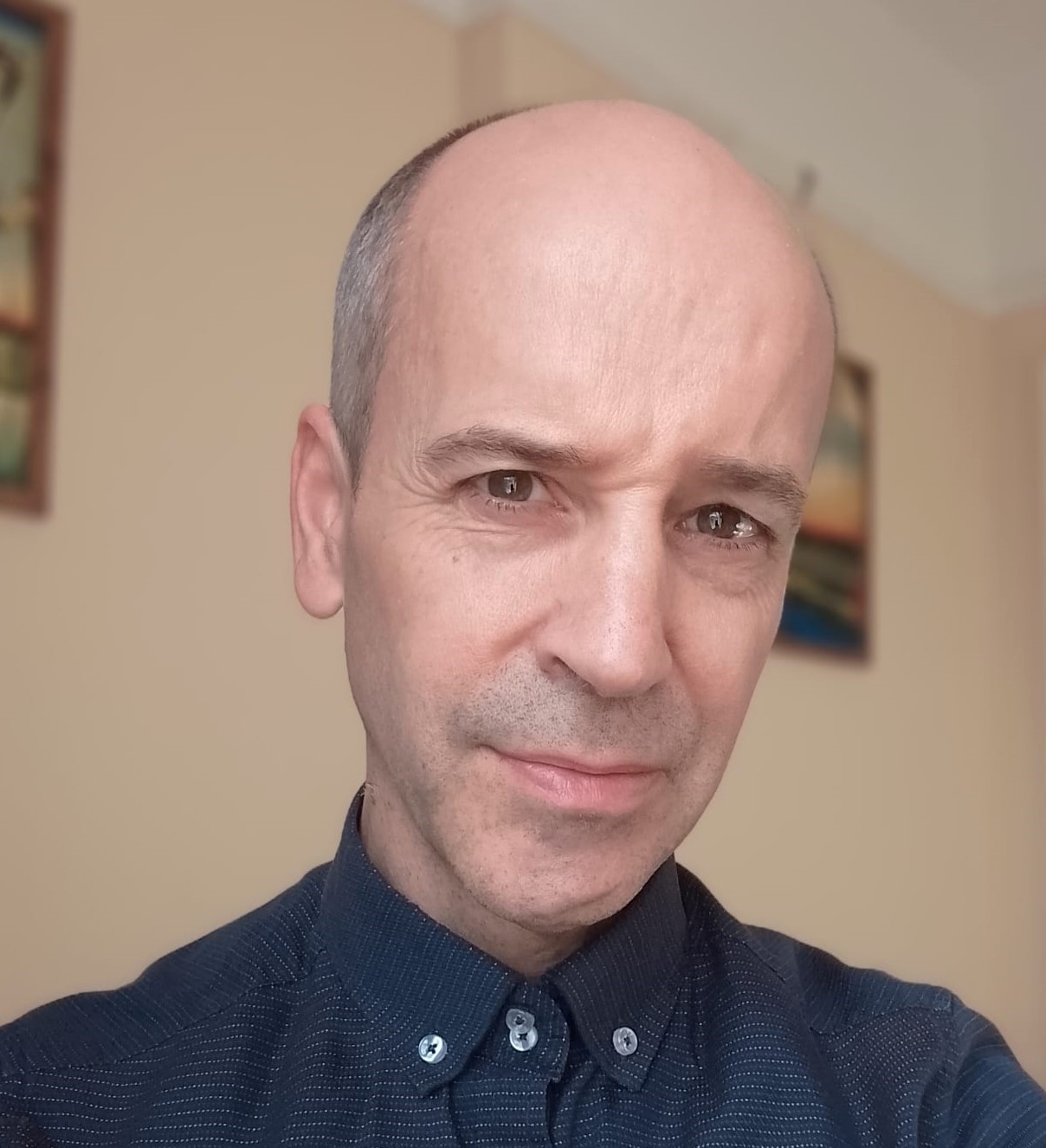
Dr Paul Hapney
Registered Member MBACP
Contact information
- Phone number
- 07503640053
Therapist - London
Features
- Flexible hours available
- Concessionary rates
About me and my therapy practice
Dr Paul Hapney (C. Psychol.)
I am a very experienced Chartered Counselling Psychologist, accredited by both the British Psychological Society and the Health Care Professions Council. Although I worked for many years in NHS settings, I now work full time in private practice and, since covid, have specialized in working online.
One of the many benefits of working in private practice is that I am able to work flexibly. This enables me to adapt my work - such as frequency of meetings, the type of interventions I use - in accordance to the person and the problems that I am working with.
I offer short term counselling to people experiencing temporary emotional distress such as can be triggered by life upheaval and change, relationship problems, or losses of various kinds. I work longer term with people suffering chronic problems, such as being affected by persistent stress, anxiety, or anger, recurrent bouts of depression, debilitating low self esteem, or repeated relationship problems.
Sometimes people do not know what type of problem they have, only that their life feels wrong, someone or something is missing, they are doing things that are not good for them - or not doing otherwise healthy things. With time and commitment, these harder to name difficulties can also be understood and worked through.
Despite having thousands of hours of clinical experience, I am constantly learning. Indeed, I love learning. I read widely and participate in continuous professional development programmes. My desire to learn also makes my job really interesting: each client comes with a unique life, history, story, and set of challenges.
The use of the title Dr in this directory listing relates to the member’s doctorate qualification. However, this does not imply a general medical qualification.
Practice description
I specialise in online therapy. Although there is an intuitive appeal to working face to face, I have found working online to be a very effective means for doing therapy. Conversations go just as deep and meaningful; analysis and understanding are equally rich. Yet these benefits are in the context of a mode of meeting that can be readily accommodated to one's private life, various commitments, and location.
My psychological approach to practice is based upon a model that adopts a holistic attitude to people's problems, seeing them as emerging from the many contexts of people's lives. These include:
- ongoing close relationships
- formative and developmental family experiences
- social/cultural situations can changes to these
- issues of gender and sexuality
- anatomical and neurological endowment
- age/stage of life.
I prioritise the gradual formation of an honest and open, trusting therapeutic relationship, from where I assist a person in their efforts to really understand what they are experiencing inside, beneath their observable behaviours. When working with a client, I strive to help them to:
- Articulate just what it is that they are feeling (as opposed to, say, 'bad' or 'awful')
- Clarify, elaborate, and refine how they understand ('interpret') their difficulties
- Understand their problems in the wider context of key developmental experiences and family relationships
- Bring into focus limiting or defensive patterns of relating to, or being with, others, including those closest to them
- Analyse the nature of their relationship to themselves.
It is from this place of fuller understanding that change is then possible. With the confidence and knowledge gained from being in a supportive and meaningful therapeutic relationship, it is possible to feel empowered to make choices about, and a commitment to, how one lives or wants to live differently or, indeed, to change the direction of one's life.
My first session
I believe that for therapy to be effective you need to feel:
- confident that you can (with time) develop high levels of trust in your therapist
- that your therapist has the ability to understand you at depth
- that your therapist can offer you a type of therapy that makes sense to you.
Booking up an initial consultation session will allow you to judge as to whether or not you feel that I can offer you these things.
Alternatively, feel free to request a short phone call or send me an email if you have any questions or concerns at this stage.
What I can help with
Abuse, Addictions, Anxiety, Bereavement, Child related issues, Cultural issues, Depression, Eating disorders, Identity issues, Infertility, LGBTQ+ counselling, Loss, Men's issues, Obsessions, OCD, Phobias, Post-traumatic stress, Pregnancy related issues, Relationships, Self esteem, Self-harm, Service veterans, Sexual identity, Substance Dependency, Trauma, Women's issues
Types of therapy
CBT, Existential, Humanistic, Integrative, Person centred, Psychodynamic, Relational
Clients I work with
Adults, Older adults, Trainees
How I deliver therapy
Long term sessions, Online therapy, Short term sessions, Telephone therapy
Therapist - Swansea
Features
- Flexible hours available
- Concessionary rates
About me and my therapy practice
Dr Paul Hapney (C. Psychol.)
I am a very experienced Chartered Counselling Psychologist, accredited by both the British Psychological Society and the Health Care Professions Council. Although I worked for many years in NHS settings, I now work full time in private practice and, since covid, have specialized in working online.
One of the many benefits of working in private practice is that I am able to work flexibly. This enables me to adapt my work - such as frequency of meetings, the type of interventions I use - in accordance to the person and the problems that I am working with.
I offer short term counselling to people experiencing temporary emotional distress such as can be triggered by life upheaval and change, relationship problems, or losses of various kinds. I work longer term with people suffering chronic problems, such as being affected by persistent stress, anxiety, or anger, recurrent bouts of depression, debilitating low self esteem, or repeated relationship problems.
Sometimes people do not know what type of problem they have, only that their life feels wrong, someone or something is missing, they are doing things that are not good for them - or not doing otherwise healthy things. With time and commitment, these harder to name difficulties can also be understood and worked through.
Despite having thousands of hours of clinical experience, I am constantly learning. Indeed, I love learning. I read widely and participate in continuous professional development programmes. My desire to learn also makes my job really interesting: each client comes with a unique life, history, story, and set of challenges.
The use of the title Dr in this directory listing relates to the member’s doctorate qualification. However, this does not imply a general medical qualification.
Practice description
I specialise in online therapy. Although there is an intuitive appeal to working face to face, I have found working online to be a very effective means for doing therapy. Conversations go just as deep and meaningful; analysis and understanding are equally rich. Yet these benefits are in the context of a mode of meeting that can be readily accommodated to one's private life, various commitments, and location.
My psychological approach to practice is based upon a model that adopts a holistic attitude to people's problems, seeing them as emerging from the many contexts of people's lives. These include:
- ongoing close relationships
- formative and developmental family experiences
- social/cultural situations can changes to these
- issues of gender and sexuality
- anatomical and neurological endowment
- age/stage of life.
I prioritise the gradual formation of an honest and open, trusting therapeutic relationship, from where I assist a person in their efforts to really understand what they are experiencing inside, beneath their observable behaviours. When working with a client, I strive to help them to:
- Articulate just what it is that they are feeling (as opposed to, say, 'bad' or 'awful')
- Clarify, elaborate, and refine how they understand ('interpret') their difficulties
- Formulate their problems in the wider context of key developmental experiences and family relationships
- Bring into focus limiting or defensive patterns of relating to, or being with, others, including those closest to them
- Analyse the nature of their relationship to themselves.
It is from this place of fuller understanding that change is then possible. With the confidence and knowledge gained from being in a supportive and meaningful therapeutic relationship, it is possible to feel empowered to make choices about, and a commitment to, how one lives or wants to live differently or, indeed, to change the direction of one's life.
My first session
I believe that for therapy to be effective you need to feel:
- confident that you can (with time) develop high levels of trust in your therapist
- that your therapist has the ability to understand you at depth
- that your therapist can offer you a type of therapy that makes sense to you.
Booking up an initial consultation session will allow you to judge as to whether or not you feel that I can offer you these things.
Alternatively, feel free to request a short phone call or send me an email if you have any questions or concerns at this stage.
Types of therapy
CBT, Existential, Interpersonal, Person centred, Relational
Clients I work with
Adults, Older adults, Trainees, Young people
How I deliver therapy
Long term sessions, Online therapy, Short term sessions, Telephone therapy
Therapist - Cardiff
Features
- Flexible hours available
- Concessionary rates
About me and my therapy practice
Dr Paul Hapney (C. Psychol.)
I am a very experienced Chartered Counselling Psychologist, accredited by both the British Psychological Society and the Health Care Professions Council. Although I worked for many years in NHS settings, I now work full time in private practice and, since covid, have specialized in working online.
One of the many benefits of working in private practice is that I am able to work flexibly. This enables me to adapt my work - such as frequency of meetings, the type of interventions I use - in accordance to the person and the problems that I am working with.
I offer short term counselling to people experiencing temporary emotional distress such as can be triggered by life upheaval and change, relationship problems, or losses of various kinds. I work longer term with people suffering chronic problems, such as being affected by persistent stress, anxiety, or anger, recurrent bouts of depression, debilitating low self esteem, or repeated relationship problems.
Sometimes people do not know what type of problem they have, only that their life feels wrong, someone or something is missing, they are doing things that are not good for them - or not doing otherwise healthy things. With time and commitment, these harder to name difficulties can also be understood and worked through.
Despite having thousands of hours of clinical experience, I am constantly learning. Indeed, I love learning. I read widely and participate in continuous professional development programmes. My desire to learn also makes my job really interesting: each client comes with a unique life, history, story, and set of challenges.
The use of the title Dr in this directory listing relates to the member’s doctorate qualification. However, this does not imply a general medical qualification.
Practice description
I specialise in online therapy. Although there is an intuitive appeal to working face to face, I have found working online to be a very effective means for doing therapy. Conversations go just as deep and meaningful; analysis and understanding are equally rich. Yet these benefits are in the context of a mode of meeting that can be readily accommodated to one's private life, various commitments, and location.
My psychological approach to practice is based upon a model that adopts a holistic attitude to people's problems, seeing them as emerging from the many contexts of people's lives. These include:
- ongoing close relationships
- formative and developmental family experiences
- social/cultural situations can changes to these
- issues of gender and sexuality
- anatomical and neurological endowment
- age/stage of life.
I prioritise the gradual formation of an honest and open, trusting therapeutic relationship, from where I assist a person in their efforts to really understand what they are experiencing inside, beneath their observable behaviours. When working with a client, I strive to help them to:
- Articulate just what it is that they are feeling (as opposed to, say, 'bad' or 'awful')
- Clarify, elaborate, and refine how they understand ('interpret') their difficulties
- Formulate their problems in the wider context of key developmental experiences and family relationships
- Bring into focus limiting or defensive patterns of relating to, or being with, others, including those closest to them
- Analyse the nature of their relationship to themselves.
It is from this place of fuller understanding that change is then possible. With the confidence and knowledge gained from being in a supportive and meaningful therapeutic relationship, it is possible to feel empowered to make choices about, and a commitment to, how one lives or wants to live differently or, indeed, to change the direction of one's life.
My first session
I believe that for therapy to be effective you need to feel:
- confident that you can (with time) develop high levels of trust in your therapist
- that your therapist has the ability to understand you at depth
- that your therapist can offer you a type of therapy that makes sense to you.
Booking up an initial consultation session will allow you to judge as to whether or not you feel that I can offer you these things.
Alternatively, feel free to request a short phone call or send me an email if you have any questions or concerns at this stage.
Types of therapy
CBT, Existential, Humanistic, Interpersonal, Person centred, Psychodynamic, Relational
Clients I work with
Adults, Older adults, Trainees, Young people
How I deliver therapy
Long term sessions, Online therapy, Short term sessions, Telephone therapy
Therapist - Gloucester
Features
- Flexible hours available
- Concessionary rates
About me and my therapy practice
Dr Paul Hapney (C. Psychol.)
I am a very experienced Chartered Counselling Psychologist, accredited by both the British Psychological Society and the Health Care Professions Council. Although I worked for many years in NHS settings, I now work full time in private practice and, since covid, have specialized in working online.
One of the many benefits of working in private practice is that I am able to work flexibly. This enables me to adapt my work - such as frequency of meetings, the type of interventions I use - in accordance to the person and the problems that I am working with.
I offer short term counselling to people experiencing temporary emotional distress such as can be triggered by life upheaval and change, relationship problems, or losses of various kinds. I work longer term with people suffering chronic problems, such as being affected by persistent stress, anxiety, or anger, recurrent bouts of depression, debilitating low self esteem, or repeated relationship problems.
Sometimes people do not know what type of problem they have, only that their life feels wrong, someone or something is missing, they are doing things that are not good for them - or not doing otherwise healthy things. With time and commitment, these harder to name difficulties can also be understood and worked through.
Despite having thousands of hours of clinical experience, I am constantly learning. Indeed, I love learning. I read widely and participate in continuous professional development programmes. My desire to learn also makes my job really interesting: each client comes with a unique life, history, story, and set of challenges.
The use of the title Dr in this directory listing relates to the member’s doctorate qualification. However, this does not imply a general medical qualification.
Practice description
I specialise in online therapy. Although there is an intuitive appeal to working face to face, I have found working online to be a very effective means for doing therapy. Conversations go just as deep and meaningful; analysis and understanding are equally rich. Yet these benefits are in the context of a mode of meeting that can be readily accommodated to one's private life, various commitments, and location.
My psychological approach to practice is based upon a model that adopts a holistic attitude to people's problems, seeing them as emerging from the many contexts of people's lives. These include:
- ongoing close relationships
- formative and developmental family experiences
- social/cultural situations can changes to these
- issues of gender and sexuality
- anatomical and neurological endowment
- age/stage of life.
I prioritise the gradual formation of an honest and open, trusting therapeutic relationship, from where I assist a person in their efforts to really understand what they are experiencing inside, beneath their observable behaviours. When working with a client, I strive to help them to:
- Articulate just what it is that they are feeling (as opposed to, say, 'bad' or 'awful')
- Clarify, elaborate, and refine how they understand ('interpret') their difficulties
- Understand their problems in the wider context of key developmental experiences and family relationships
- Bring into focus limiting or defensive patterns of relating to, or being with, others, including those closest to them
- Analyse the nature of their relationship to themselves.
It is from this place of fuller understanding that change is then possible. With the confidence and knowledge gained from being in a supportive and meaningful therapeutic relationship, it is possible to feel empowered to make choices about, and a commitment to, how one lives or wants to live differently or, indeed, to change the direction of one's life.
My first session
I believe that for therapy to be effective you need to feel:
- confident that you can (with time) develop high levels of trust in your therapist
- that your therapist has the ability to understand you at depth
- that your therapist can offer you a type of therapy that makes sense to you.
Booking up an initial consultation session will allow you to judge as to whether or not you feel that I can offer you these things.
Alternatively, feel free to request a short phone call or send me an email if you have any questions or concerns at this stage.
Types of therapy
CBT, Existential, Interpersonal, Person centred, Psychodynamic, Relational
Clients I work with
Adults, Older adults, Trainees
How I deliver therapy
Long term sessions, Online therapy, Short term sessions, Telephone therapy
Therapist - Bristol
Features
- Flexible hours available
- Concessionary rates
About me and my therapy practice
Dr Paul Hapney (C. Psychol.)
I am a very experienced Chartered Counselling Psychologist, accredited by both the British Psychological Society and the Health Care Professions Council. Although I worked for many years in NHS settings, I now work full time in private practice and, since covid, have specialized in working online.
One of the many benefits of working in private practice is that I am able to work flexibly. This enables me to adapt my work - such as frequency of meetings, the type of interventions I use - in accordance to the person and the problems that I am working with.
I offer short term counselling to people experiencing temporary emotional distress such as can be triggered by life upheaval and change, relationship problems, or losses of various kinds. I work longer term with people suffering chronic problems, such as being affected by persistent stress, anxiety, or anger, recurrent bouts of depression, debilitating low self esteem, or repeated relationship problems.
Sometimes people do not know what type of problem they have, only that their life feels wrong, someone or something is missing, they are doing things that are not good for them - or not doing otherwise healthy things. With time and commitment, these harder to name difficulties can also be understood and worked through.
Despite having thousands of hours of clinical experience, I am constantly learning. Indeed, I love learning. I read widely and participate in continuous professional development programmes. My desire to learn also makes my job really interesting: each client comes with a unique life, history, story, and set of challenges.
The use of the title Dr in this directory listing relates to the member’s doctorate qualification. However, this does not imply a general medical qualification.
Practice description
I specialise in online therapy. Although there is an intuitive appeal to working face to face, I have found working online to be a very effective means for doing therapy. Conversations go just as deep and meaningful; analysis and understanding are equally rich. Yet these benefits are in the context of a mode of meeting that can be readily accommodated to one's private life, various commitments, and location.
My psychological approach to practice is based upon a model that adopts a holistic attitude to people's problems, seeing them as emerging from the many contexts of people's lives. These include:
- ongoing close relationships
- formative and developmental family experiences
- social/cultural situations can changes to these
- issues of gender and sexuality
- anatomical and neurological endowment
- age/stage of life.
I prioritise the gradual formation of an honest and open, trusting therapeutic relationship, from where I assist a person in their efforts to really understand what they are experiencing inside, beneath their observable behaviours. When working with a client, I strive to help them to:
- Articulate just what it is that they are feeling (as opposed to, say, 'bad' or 'awful')
- Clarify, elaborate, and refine how they understand ('interpret') their difficulties
- Formulate their problems in the wider context of key developmental experiences and family relationships
- Bring into focus limiting or defensive patterns of relating to, or being with, others, including those closest to them
- Analyse the nature of their relationship to themselves.
It is from this place of fuller understanding that change is then possible. With the confidence and knowledge gained from being in a supportive and meaningful therapeutic relationship, it is possible to feel empowered to make choices about, and a commitment to, how one lives or wants to live differently or, indeed, to change the direction of one's life.
My first session
I believe that for therapy to be effective you need to feel:
- confident that you can (with time) develop high levels of trust in your therapist
- that your therapist has the ability to understand you at depth
- that your therapist can offer you a type of therapy that makes sense to you.
Booking up an initial consultation session will allow you to judge as to whether or not you feel that I can offer you these things.
Alternatively, feel free to request a short phone call or send me an email if you have any questions or concerns at this stage.
What I can help with
Abuse, Addictions, Anxiety, Bereavement, Child related issues, Cultural issues, Depression, Identity issues, Loss, Men's issues, Obsessions, Post-traumatic stress, Redundancy, Relationships, Self esteem, Self-harm, Service veterans, Sexual identity, Sexuality, Spirituality, Stress, Trauma, Work related issues
Types of therapy
CBT, Existential, Humanistic, Integrative, Person centred, Psychodynamic, Relational
Clients I work with
Adults, Older adults, Trainees, Young people
How I deliver therapy
Long term sessions, Online therapy, Short term sessions
Supervisor - Bristol
Features
- Flexible hours available
About me and my therapy practice
Dr Paul Hapney (CPsychol)
I do not see my task as telling you how you should practice. Apart from matters of safeguarding wherein more specific direction and advice may be required, I feel that our dialogical task is to assist you to articulate and analyse your practice experiences with the aim of furnishing helpful reflections and insights that enable you to become a more competent and confident therapist.
This approach to supervision stems from my belief that therapists need to find a way to work - which is likely to draw upon a variety of sources - that fits with their character and personal outlook. Indeed, this topic formed a central plank of my doctoral thesis dissertation (which, for interested persons, can be easily accessed via a google search).
Like in my personal practice, my approach to supervision is informed by a way of working that prioritises relationships (between the therapist and client, between supervisor and supervisee), is characterised by a creative drawing upon of multiple theories, is informed by research, and that offers a balanced prioritisation of the persons of both the supervisee and their client. Although I have a broad and multifaceted training, the models that fit best with me, and thus are most readily accessible in my thinking, are of a humanistic, existential, and psychodynamic nature. That is, relational models.
The use of the title Dr in this directory listing relates to the member’s doctorate qualification. However, this does not imply a general medical qualification.
Practice description
For further information, please see my BACP therapist profile
Types of therapy
CBT, Existential, Humanistic, Interpersonal, Psychodynamic, Relational
Clients I work with
Adults, Older adults, Trainees
How I deliver therapy
Online therapy