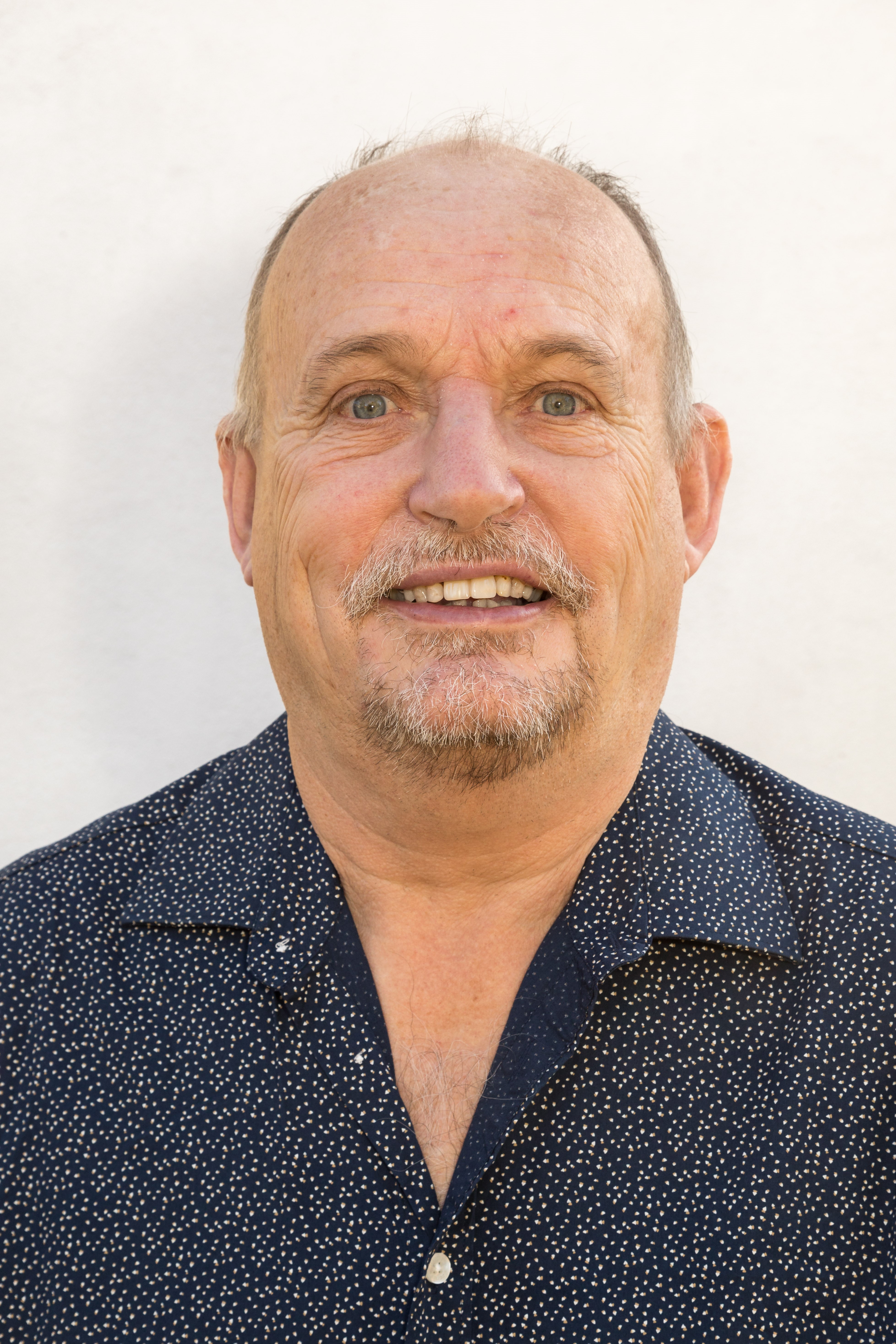
David Pender
Registered Member MBACP
Contact information
- Phone number
- 07391279680
Features
- Flexible hours available
Availability
I work flexible hours within reason to accommodate the lives of my clients - for example, evening appointments are no problem up until 9 PM. Please get in touch with me for availability.
About me and my therapy practice
Do you wake up already exhausted, moving through the day as if your mind is wrapped in fog and your body is carrying a weight it never agreed to? Do you find yourself pushing through anxiety, burnout, and fatigue on autopilot, trying to function while your system quietly signals that something isn’t right? When your brain is overloaded, your chemistry shifts, clarity narrows, resilience drops, and even simple tasks feel harder than they should. But the moment you begin changing what goes in the pressures you absorb, the pace you keep, the support you allow, your internal landscape starts to shift. Change the inputs, change the chemistry, change the experience. I study the biological and scientific effects of stress on the body and mind, and what needs to shift for your life to move forward in a meaningful way. Working with patterns, emotions, identity, and the nervous system. Because you’ve been carrying more than any one person was designed to hold alone. My work offers a calm, steady space where you can slow down, breathe, and make sense of what’s happening inside you. Together, we explore the patterns, pressures, and survival strategies that once helped you cope but now keep you stuck, exhausted, or overwhelmed.
When life becomes overwhelming, it can feel as though you’re carrying far more than any one person was ever meant to hold alone. Most people don’t realise how much weight they’ve been managing until they finally sit down in a space where they don’t have to keep performing, coping, or holding everything together.
That’s the space I offer.
My work centres on the biological and psychological effects of stress, how it shapes your body, your thoughts, your identity, and the way you move through the world. Many people come to me feeling out of sync with themselves: exhausted, pressured, disconnected, or unsure why they can’t “just get on with it” the way they used to. Therapy gives you a place to slow down enough to understand what’s happening inside you, rather than fighting it alone.
My approach is calm, steady, and grounded. You don’t need the perfect words. You don’t need to be “sorted”. You simply arrive as you are, and we take it from there together.
Practice description
How Anxiety Shows Up in the Mind and Body
As a counsellor, I often meet people who feel overwhelmed by anxiety yet struggle to understand why it affects them. Anxiety can present in a vast array of guises, but at its core, it is an overactivation of the mind and body paired with a deep need to feel calm, safe, and in control.
Understanding your predominant form of anxiety is an essential first step in beginning effective therapeutic work.
Where Anxiety Begins:
Early Conditioning and Life Experiences
When clients come to me for anxiety therapy, I begin by understanding their history. Anxiety rarely appears out of nowhere. It often develops from:
- Childhood conditioning
- The nature of early attachment and care
- Conditional love or inconsistent emotional safety
- Expectations placed upon us as we grow
- Setbacks, losses, or overwhelming life events
Why the Mind Speeds Up: The Body’s Role in Anxiety
Learning to calm both the mind and body has been a significant part of my own well-being journey, and it is central to the work I do with clients. The amygdala and central nervous system play a huge role in how we think, feel, and behave.
- Overthinking
- Hypervigilance
- Catastrophising
- Feeling disconnected from the body
How Does Anxiety Show Up for You?
1. Emotional Anxiety
Emotional anxiety often feels like agitation or overwhelm. You may find yourself juggling multiple worries at once, struggling to feel safe, or trying to regain a sense of control.
2. Physical Anxiety
Physical anxiety shows up in the body as tension, tightness, restlessness, or a sense of internal pressure. This is the body holding activated energy that needs to be released.
3. Mental Anxiety
Mental anxiety involves racing thoughts, replaying conversations, imagining worst-case scenarios, or worrying about the future.
What Type of Anxiety Do You Relate To?
You may recognise yourself in one or more of the following:
- Generalised Anxiety Disorder (GAD)
- Social Anxiety
- Stress-related anxiety
- Panic responses
- Phobias
What to Expect
You’ll be met with warmth, steadiness, and respect. You don’t need to prepare anything or know exactly what you want to say. We start exactly where you are.
Therapy with me is a place to slow down, breathe, and reconnect with the parts of you that have been carrying too much for too long. It’s a space where you can explore your inner world with someone who is trained to hold it with care, clarity, and grounded presence.
If you’re ready to stop surviving and begin shaping a life that feels more aligned, more spacious, and more genuinely yours, you’re welcome to reach out.
My first session
For clients who want a structured path, I offer The Growth Model — a 90‑day programme designed to support stabilisation, reconnection, and integration.
Each week includes a 50‑minute counselling session and guided practices that help you:
- regulate your nervous system
- rebuild clarity
- reconnect with yourself at a steady, sustainable pace
It’s a framework for people who want to feel held, supported, and guided through a clear process of change.
Who I Work With
- Adults (18+)
- Professionals, students, and individuals navigating stress, burnout, identity shifts, or emotional overwhelm
- In‑person in Reading and online across the UK
Fees
- £60 per 50‑minute counselling session
- Optional 90‑day guided support programme: £25
Counselling with me is collaborative and gently challenging. We move at a pace that honours your nervous system rather than overwhelming it. Whether you’re navigating burnout, anxiety, relationship strain, or a major life transition, our work focuses on helping you:
- regulate your nervous system
- reduce overwhelm
- understand your patterns
- reconnect with your inner steadiness
- make choices that feel aligned rather than pressured
You don’t have to force change. You don’t have to push yourself harder. Instead, we explore what’s happening beneath the surface the patterns, beliefs, and survival strategies that once protected you but now leave you feeling stuck or fragmented.
“Healing is not about becoming someone new;
It is about remembering who you were before overwhelm taught you to fragment.”
Over time, this work helps you rebuild confidence, restore clarity, and create a life that feels more spacious, grounded, and sustainable.
What You Might Be Experiencing
Many of the people I work with describe:
- burnout or emotional exhaustion
- people‑pleasing and chronic self‑pressure
- anxiety, overthinking, or hypervigilance
- feeling misaligned or “not yourself”
- difficulty slowing down or switching off
- a sense of drifting, disconnect, or loss of direction
These are not personal failures. They are adaptive responses shaped by stress, early experiences, and the environments you’ve had to survive. Therapy helps you understand these responses with compassion rather than criticism. It gives you a place to breathe, to make sense of what’s happening, and to reconnect with the parts of you that have been working so hard for so long.
Types of therapy
Behavioural, Brief therapy, CBT, Cognitive, Emotionally focused therapy, Existential, Humanistic, Integrative, Person centred, Psychodynamic, Relational, Solution focused brief therapy
Clients I work with
Adults, Older adults, Organisations, Trainees
How I deliver therapy
Long term sessions, Long-term face-to-face work, Online therapy, Short term sessions, Short-term face-to-face work, Telephone therapy
Languages spoken
English
Features
- Flexible hours available
Availability
I work flexible hours within reason to accommodate the lives of my clients - for example, evening appointments are no problem up until 9 PM. Please get in touch with me for availability.
About me and my therapy practice
Do you wake up already exhausted, moving through the day as if your mind is wrapped in fog and your body is carrying a weight it never agreed to? Do you find yourself pushing through anxiety, burnout, and fatigue on autopilot, trying to function while your system quietly signals that something isn’t right? When your brain is overloaded, your chemistry shifts, clarity narrows, resilience drops, and even simple tasks feel harder than they should. But the moment you begin changing what goes in the pressures you absorb, the pace you keep, the support you allow, your internal landscape starts to shift. Change the inputs, change the chemistry, change the experience. I study the biological and scientific effects of stress on the body and mind, and what needs to shift for your life to move forward in a meaningful way. Working with patterns, emotions, identity, and the nervous system. Because you’ve been carrying more than any one person was designed to hold alone. My work offers a calm, steady space where you can slow down, breathe, and make sense of what’s happening inside you. Together, we explore the patterns, pressures, and survival strategies that once helped you cope but now keep you stuck, exhausted, or overwhelmed.
When life becomes overwhelming, it can feel as though you’re carrying far more than any one person was ever meant to hold alone. Most people don’t realise how much weight they’ve been managing until they finally sit down in a space where they don’t have to keep performing, coping, or holding everything together.
That’s the space I offer.
My work centres on the biological and psychological effects of stress, how it shapes your body, your thoughts, your identity, and the way you move through the world. Many people come to me feeling out of sync with themselves: exhausted, pressured, disconnected, or unsure why they can’t “just get on with it” the way they used to. Therapy gives you a place to slow down enough to understand what’s happening inside you, rather than fighting it alone.
My approach is calm, steady, and grounded. You don’t need the perfect words. You don’t need to be “sorted”. You simply arrive as you are, and we take it from there together.
Practice description
How Anxiety Shows Up in the Mind and Body
As a counsellor, I often meet people who feel overwhelmed by anxiety yet struggle to understand why it affects them. Anxiety can present in a vast array of guises, but at its core, it is an overactivation of the mind and body paired with a deep need to feel calm, safe, and in control.
Understanding your predominant form of anxiety is an essential first step in beginning effective therapeutic work.
Where Anxiety Begins:
Early Conditioning and Life Experiences
When clients come to me for anxiety therapy, I begin by understanding their history. Anxiety rarely appears out of nowhere. It often develops from:
- Childhood conditioning
- The nature of early attachment and care
- Conditional love or inconsistent emotional safety
- Expectations placed upon us as we grow
- Setbacks, losses, or overwhelming life events
Why the Mind Speeds Up: The Body’s Role in Anxiety
Learning to calm both the mind and body has been a significant part of my own well-being journey, and it is central to the work I do with clients. The amygdala and central nervous system play a huge role in how we think, feel, and behave.
- Overthinking
- Hypervigilance
- Catastrophising
- Feeling disconnected from the body
How Does Anxiety Show Up for You?
1. Emotional Anxiety
Emotional anxiety often feels like agitation or overwhelm. You may find yourself juggling multiple worries at once, struggling to feel safe, or trying to regain a sense of control.
2. Physical Anxiety
Physical anxiety shows up in the body as tension, tightness, restlessness, or a sense of internal pressure. This is the body holding activated energy that needs to be released.
3. Mental Anxiety
Mental anxiety involves racing thoughts, replaying conversations, imagining worst-case scenarios, or worrying about the future.
What Type of Anxiety Do You Relate To?
You may recognise yourself in one or more of the following:
- Generalised Anxiety Disorder (GAD)
- Social Anxiety
- Stress-related anxiety
- Panic responses
- Phobias
What to Expect
You’ll be met with warmth, steadiness, and respect. You don’t need to prepare anything or know exactly what you want to say. We start exactly where you are.
Therapy with me is a place to slow down, breathe, and reconnect with the parts of you that have been carrying too much for too long. It’s a space where you can explore your inner world with someone who is trained to hold it with care, clarity, and grounded presence.
If you’re ready to stop surviving and begin shaping a life that feels more aligned, more spacious, and more genuinely yours, you’re welcome to reach out.
My first session
For clients who want a structured path, I offer The Growth Model — a 90‑day programme designed to support stabilisation, reconnection, and integration.
Each week includes a 50‑minute counselling session and guided practices that help you:
- regulate your nervous system
- rebuild clarity
- reconnect with yourself at a steady, sustainable pace
It’s a framework for people who want to feel held, supported, and guided through a clear process of change.
Who I Work With
- Adults (18+)
- Professionals, students, and individuals navigating stress, burnout, identity shifts, or emotional overwhelm
- In‑person in Reading and online across the UK
Fees
- £60 per 50‑minute counselling session
- Optional 90‑day guided support programme: £25
Counselling with me is collaborative and gently challenging. We move at a pace that honours your nervous system rather than overwhelming it. Whether you’re navigating burnout, anxiety, relationship strain, or a major life transition, our work focuses on helping you:
- regulate your nervous system
- reduce overwhelm
- understand your patterns
- reconnect with your inner steadiness
- make choices that feel aligned rather than pressured
You don’t have to force change. You don’t have to push yourself harder. Instead, we explore what’s happening beneath the surface the patterns, beliefs, and survival strategies that once protected you but now leave you feeling stuck or fragmented.
“Healing is not about becoming someone new;
It is about remembering who you were before overwhelm taught you to fragment.”
Over time, this work helps you rebuild confidence, restore clarity, and create a life that feels more spacious, grounded, and sustainable.
What You Might Be Experiencing
Many of the people I work with describe:
- burnout or emotional exhaustion
- people‑pleasing and chronic self‑pressure
- anxiety, overthinking, or hypervigilance
- feeling misaligned or “not yourself”
- difficulty slowing down or switching off
- a sense of drifting, disconnect, or loss of direction
These are not personal failures. They are adaptive responses shaped by stress, early experiences, and the environments you’ve had to survive. Therapy helps you understand these responses with compassion rather than criticism. It gives you a place to breathe, to make sense of what’s happening, and to reconnect with the parts of you that have been working so hard for so long.
Types of therapy
Behavioural, Brief therapy, CBT, Cognitive, Emotionally focused therapy, Existential, Humanistic, Integrative, Person centred, Psychodynamic, Relational, Solution focused brief therapy
Clients I work with
Adults, Older adults, Organisations, Trainees
How I deliver therapy
Long term sessions, Long-term face-to-face work, Online therapy, Short term sessions, Short-term face-to-face work, Telephone therapy
Languages spoken
English
Features
- Flexible hours available
Availability
I work flexible hours within reason to accommodate the lives of my clients - for example, evening appointments are no problem up until 9 PM. Please get in touch with me for availability.
About me and my therapy practice
Do you wake up already exhausted, moving through the day as if your mind is wrapped in fog and your body is carrying a weight it never agreed to? Do you find yourself pushing through anxiety, burnout, and fatigue on autopilot, trying to function while your system quietly signals that something isn’t right? When your brain is overloaded, your chemistry shifts, clarity narrows, resilience drops, and even simple tasks feel harder than they should. But the moment you begin changing what goes in the pressures you absorb, the pace you keep, the support you allow, your internal landscape starts to shift. Change the inputs, change the chemistry, change the experience. I study the biological and scientific effects of stress on the body and mind, and what needs to shift for your life to move forward in a meaningful way. Working with patterns, emotions, identity, and the nervous system. Because you’ve been carrying more than any one person was designed to hold alone. My work offers a calm, steady space where you can slow down, breathe, and make sense of what’s happening inside you. Together, we explore the patterns, pressures, and survival strategies that once helped you cope but now keep you stuck, exhausted, or overwhelmed.
When life becomes overwhelming, it can feel as though you’re carrying far more than any one person was ever meant to hold alone. Most people don’t realise how much weight they’ve been managing until they finally sit down in a space where they don’t have to keep performing, coping, or holding everything together.
That’s the space I offer.
My work centres on the biological and psychological effects of stress, how it shapes your body, your thoughts, your identity, and the way you move through the world. Many people come to me feeling out of sync with themselves: exhausted, pressured, disconnected, or unsure why they can’t “just get on with it” the way they used to. Therapy gives you a place to slow down enough to understand what’s happening inside you, rather than fighting it alone.
My approach is calm, steady, and grounded. You don’t need the perfect words. You don’t need to be “sorted”. You simply arrive as you are, and we take it from there together.
Practice description
How Anxiety Shows Up in the Mind and Body
As a counsellor, I often meet people who feel overwhelmed by anxiety yet struggle to understand why it affects them. Anxiety can present in a vast array of guises, but at its core, it is an overactivation of the mind and body paired with a deep need to feel calm, safe, and in control.
Understanding your predominant form of anxiety is an essential first step in beginning effective therapeutic work.
Where Anxiety Begins:
Early Conditioning and Life Experiences
When clients come to me for anxiety therapy, I begin by understanding their history. Anxiety rarely appears out of nowhere. It often develops from:
- Childhood conditioning
- The nature of early attachment and care
- Conditional love or inconsistent emotional safety
- Expectations placed upon us as we grow
- Setbacks, losses, or overwhelming life events
Why the Mind Speeds Up: The Body’s Role in Anxiety
Learning to calm both the mind and body has been a significant part of my own well-being journey, and it is central to the work I do with clients. The amygdala and central nervous system play a huge role in how we think, feel, and behave.
- Overthinking
- Hypervigilance
- Catastrophising
- Feeling disconnected from the body
How Does Anxiety Show Up for You?
1. Emotional Anxiety
Emotional anxiety often feels like agitation or overwhelm. You may find yourself juggling multiple worries at once, struggling to feel safe, or trying to regain a sense of control.
2. Physical Anxiety
Physical anxiety shows up in the body as tension, tightness, restlessness, or a sense of internal pressure. This is the body holding activated energy that needs to be released.
3. Mental Anxiety
Mental anxiety involves racing thoughts, replaying conversations, imagining worst-case scenarios, or worrying about the future.
What Type of Anxiety Do You Relate To?
You may recognise yourself in one or more of the following:
- Generalised Anxiety Disorder (GAD)
- Social Anxiety
- Stress-related anxiety
- Panic responses
- Phobias
What to Expect
You’ll be met with warmth, steadiness, and respect. You don’t need to prepare anything or know exactly what you want to say. We start exactly where you are.
Therapy with me is a place to slow down, breathe, and reconnect with the parts of you that have been carrying too much for too long. It’s a space where you can explore your inner world with someone who is trained to hold it with care, clarity, and grounded presence.
If you’re ready to stop surviving and begin shaping a life that feels more aligned, more spacious, and more genuinely yours, you’re welcome to reach out.
My first session
For clients who want a structured path, I offer The Growth Model — a 90‑day programme designed to support stabilisation, reconnection, and integration.
Each week includes a 50‑minute counselling session and guided practices that help you:
- regulate your nervous system
- rebuild clarity
- reconnect with yourself at a steady, sustainable pace
It’s a framework for people who want to feel held, supported, and guided through a clear process of change.
Who I Work With
- Adults (18+)
- Professionals, students, and individuals navigating stress, burnout, identity shifts, or emotional overwhelm
- In‑person in Reading and online across the UK
Fees
- £60 per 50‑minute counselling session
- Optional 90‑day guided support programme: £25
Counselling with me is collaborative and gently challenging. We move at a pace that honours your nervous system rather than overwhelming it. Whether you’re navigating burnout, anxiety, relationship strain, or a major life transition, our work focuses on helping you:
- regulate your nervous system
- reduce overwhelm
- understand your patterns
- reconnect with your inner steadiness
- make choices that feel aligned rather than pressured
You don’t have to force change. You don’t have to push yourself harder. Instead, we explore what’s happening beneath the surface the patterns, beliefs, and survival strategies that once protected you but now leave you feeling stuck or fragmented.
“Healing is not about becoming someone new;
It is about remembering who you were before overwhelm taught you to fragment.”
Over time, this work helps you rebuild confidence, restore clarity, and create a life that feels more spacious, grounded, and sustainable.
What You Might Be Experiencing
Many of the people I work with describe:
- burnout or emotional exhaustion
- people‑pleasing and chronic self‑pressure
- anxiety, overthinking, or hypervigilance
- feeling misaligned or “not yourself”
- difficulty slowing down or switching off
- a sense of drifting, disconnect, or loss of direction
These are not personal failures. They are adaptive responses shaped by stress, early experiences, and the environments you’ve had to survive. Therapy helps you understand these responses with compassion rather than criticism. It gives you a place to breathe, to make sense of what’s happening, and to reconnect with the parts of you that have been working so hard for so long.
Types of therapy
Behavioural, Brief therapy, CBT, Cognitive, Emotionally focused therapy, Existential, Humanistic, Integrative, Person centred, Psychodynamic, Relational, Solution focused brief therapy
Clients I work with
Adults, Older adults, Organisations, Trainees
How I deliver therapy
Long term sessions, Long-term face-to-face work, Online therapy, Short term sessions, Short-term face-to-face work, Telephone therapy
Languages spoken
English
Features
- Flexible hours available
Availability
I work flexible hours within reason to accommodate the lives of my clients - for example, evening appointments are no problem up until 9 PM. Please get in touch with me for availability.
About me and my therapy practice
Do you wake up already exhausted, moving through the day as if your mind is wrapped in fog and your body is carrying a weight it never agreed to? Do you find yourself pushing through anxiety, burnout, and fatigue on autopilot, trying to function while your system quietly signals that something isn’t right? When your brain is overloaded, your chemistry shifts, clarity narrows, resilience drops, and even simple tasks feel harder than they should. But the moment you begin changing what goes in the pressures you absorb, the pace you keep, the support you allow, your internal landscape starts to shift. Change the inputs, change the chemistry, change the experience. I study the biological and scientific effects of stress on the body and mind, and what needs to shift for your life to move forward in a meaningful way. Working with patterns, emotions, identity, and the nervous system. Because you’ve been carrying more than any one person was designed to hold alone. My work offers a calm, steady space where you can slow down, breathe, and make sense of what’s happening inside you. Together, we explore the patterns, pressures, and survival strategies that once helped you cope but now keep you stuck, exhausted, or overwhelmed.
When life becomes overwhelming, it can feel as though you’re carrying far more than any one person was ever meant to hold alone. Most people don’t realise how much weight they’ve been managing until they finally sit down in a space where they don’t have to keep performing, coping, or holding everything together.
That’s the space I offer.
My work centres on the biological and psychological effects of stress, how it shapes your body, your thoughts, your identity, and the way you move through the world. Many people come to me feeling out of sync with themselves: exhausted, pressured, disconnected, or unsure why they can’t “just get on with it” the way they used to. Therapy gives you a place to slow down enough to understand what’s happening inside you, rather than fighting it alone.
My approach is calm, steady, and grounded. You don’t need the perfect words. You don’t need to be “sorted”. You simply arrive as you are, and we take it from there together.
Practice description
How Anxiety Shows Up in the Mind and Body
As a counsellor, I often meet people who feel overwhelmed by anxiety yet struggle to understand why it affects them. Anxiety can present in a vast array of guises, but at its core, it is an overactivation of the mind and body paired with a deep need to feel calm, safe, and in control.
Understanding your predominant form of anxiety is an essential first step in beginning effective therapeutic work.
Where Anxiety Begins:
Early Conditioning and Life Experiences
When clients come to me for anxiety therapy, I begin by understanding their history. Anxiety rarely appears out of nowhere. It often develops from:
- Childhood conditioning
- The nature of early attachment and care
- Conditional love or inconsistent emotional safety
- Expectations placed upon us as we grow
- Setbacks, losses, or overwhelming life events
Why the Mind Speeds Up: The Body’s Role in Anxiety
Learning to calm both the mind and body has been a significant part of my own well-being journey, and it is central to the work I do with clients. The amygdala and central nervous system play a huge role in how we think, feel, and behave.
- Overthinking
- Hypervigilance
- Catastrophising
- Feeling disconnected from the body
How Does Anxiety Show Up for You?
1. Emotional Anxiety
Emotional anxiety often feels like agitation or overwhelm. You may find yourself juggling multiple worries at once, struggling to feel safe, or trying to regain a sense of control.
2. Physical Anxiety
Physical anxiety shows up in the body as tension, tightness, restlessness, or a sense of internal pressure. This is the body holding activated energy that needs to be released.
3. Mental Anxiety
Mental anxiety involves racing thoughts, replaying conversations, imagining worst-case scenarios, or worrying about the future.
What Type of Anxiety Do You Relate To?
You may recognise yourself in one or more of the following:
- Generalised Anxiety Disorder (GAD)
- Social Anxiety
- Stress-related anxiety
- Panic responses
- Phobias
What to Expect
You’ll be met with warmth, steadiness, and respect. You don’t need to prepare anything or know exactly what you want to say. We start exactly where you are.
Therapy with me is a place to slow down, breathe, and reconnect with the parts of you that have been carrying too much for too long. It’s a space where you can explore your inner world with someone who is trained to hold it with care, clarity, and grounded presence.
If you’re ready to stop surviving and begin shaping a life that feels more aligned, more spacious, and more genuinely yours, you’re welcome to reach out.
My first session
For clients who want a structured path, I offer The Growth Model — a 90‑day programme designed to support stabilisation, reconnection, and integration.
Each week includes a 50‑minute counselling session and guided practices that help you:
- regulate your nervous system
- rebuild clarity
- reconnect with yourself at a steady, sustainable pace
It’s a framework for people who want to feel held, supported, and guided through a clear process of change.
Who I Work With
- Adults (18+)
- Professionals, students, and individuals navigating stress, burnout, identity shifts, or emotional overwhelm
- In‑person in Reading and online across the UK
Fees
- £60 per 50‑minute counselling session
- Optional 90‑day guided support programme: £25
Counselling with me is collaborative and gently challenging. We move at a pace that honours your nervous system rather than overwhelming it. Whether you’re navigating burnout, anxiety, relationship strain, or a major life transition, our work focuses on helping you:
- regulate your nervous system
- reduce overwhelm
- understand your patterns
- reconnect with your inner steadiness
- make choices that feel aligned rather than pressured
You don’t have to force change. You don’t have to push yourself harder. Instead, we explore what’s happening beneath the surface the patterns, beliefs, and survival strategies that once protected you but now leave you feeling stuck or fragmented.
“Healing is not about becoming someone new;
It is about remembering who you were before overwhelm taught you to fragment.”
Over time, this work helps you rebuild confidence, restore clarity, and create a life that feels more spacious, grounded, and sustainable.
What You Might Be Experiencing
Many of the people I work with describe:
- burnout or emotional exhaustion
- people‑pleasing and chronic self‑pressure
- anxiety, overthinking, or hypervigilance
- feeling misaligned or “not yourself”
- difficulty slowing down or switching off
- a sense of drifting, disconnect, or loss of direction
These are not personal failures. They are adaptive responses shaped by stress, early experiences, and the environments you’ve had to survive. Therapy helps you understand these responses with compassion rather than criticism. It gives you a place to breathe, to make sense of what’s happening, and to reconnect with the parts of you that have been working so hard for so long.
Types of therapy
Behavioural, Brief therapy, CBT, Cognitive, Emotionally focused therapy, Existential, Humanistic, Integrative, Person centred, Psychodynamic, Relational, Solution focused brief therapy
Clients I work with
Adults, Older adults, Organisations, Trainees
How I deliver therapy
Long term sessions, Long-term face-to-face work, Online therapy, Short term sessions, Short-term face-to-face work, Telephone therapy
Languages spoken
English
Features
- Flexible hours available
Availability
I work flexible hours within reason to accommodate the lives of my clients - for example, evening appointments are no problem up until 9 PM. Please get in touch with me for availability.
About me and my therapy practice
Do you wake up already exhausted, moving through the day as if your mind is wrapped in fog and your body is carrying a weight it never agreed to? Do you find yourself pushing through anxiety, burnout, and fatigue on autopilot, trying to function while your system quietly signals that something isn’t right? When your brain is overloaded, your chemistry shifts, clarity narrows, resilience drops, and even simple tasks feel harder than they should. But the moment you begin changing what goes in the pressures you absorb, the pace you keep, the support you allow, your internal landscape starts to shift. Change the inputs, change the chemistry, change the experience. I study the biological and scientific effects of stress on the body and mind, and what needs to shift for your life to move forward in a meaningful way. Working with patterns, emotions, identity, and the nervous system. Because you’ve been carrying more than any one person was designed to hold alone. My work offers a calm, steady space where you can slow down, breathe, and make sense of what’s happening inside you. Together, we explore the patterns, pressures, and survival strategies that once helped you cope but now keep you stuck, exhausted, or overwhelmed.
When life becomes overwhelming, it can feel as though you’re carrying far more than any one person was ever meant to hold alone. Most people don’t realise how much weight they’ve been managing until they finally sit down in a space where they don’t have to keep performing, coping, or holding everything together.
That’s the space I offer.
My work centres on the biological and psychological effects of stress, how it shapes your body, your thoughts, your identity, and the way you move through the world. Many people come to me feeling out of sync with themselves: exhausted, pressured, disconnected, or unsure why they can’t “just get on with it” the way they used to. Therapy gives you a place to slow down enough to understand what’s happening inside you, rather than fighting it alone.
My approach is calm, steady, and grounded. You don’t need the perfect words. You don’t need to be “sorted”. You simply arrive as you are, and we take it from there together.
Practice description
How Anxiety Shows Up in the Mind and Body
As a counsellor, I often meet people who feel overwhelmed by anxiety yet struggle to understand why it affects them. Anxiety can present in a vast array of guises, but at its core, it is an overactivation of the mind and body paired with a deep need to feel calm, safe, and in control.
Understanding your predominant form of anxiety is an essential first step in beginning effective therapeutic work.
Where Anxiety Begins:
Early Conditioning and Life Experiences
When clients come to me for anxiety therapy, I begin by understanding their history. Anxiety rarely appears out of nowhere. It often develops from:
- Childhood conditioning
- The nature of early attachment and care
- Conditional love or inconsistent emotional safety
- Expectations placed upon us as we grow
- Setbacks, losses, or overwhelming life events
Why the Mind Speeds Up: The Body’s Role in Anxiety
Learning to calm both the mind and body has been a significant part of my own well-being journey, and it is central to the work I do with clients. The amygdala and central nervous system play a huge role in how we think, feel, and behave.
- Overthinking
- Hypervigilance
- Catastrophising
- Feeling disconnected from the body
How Does Anxiety Show Up for You?
1. Emotional Anxiety
Emotional anxiety often feels like agitation or overwhelm. You may find yourself juggling multiple worries at once, struggling to feel safe, or trying to regain a sense of control.
2. Physical Anxiety
Physical anxiety shows up in the body as tension, tightness, restlessness, or a sense of internal pressure. This is the body holding activated energy that needs to be released.
3. Mental Anxiety
Mental anxiety involves racing thoughts, replaying conversations, imagining worst-case scenarios, or worrying about the future.
What Type of Anxiety Do You Relate To?
You may recognise yourself in one or more of the following:
- Generalised Anxiety Disorder (GAD)
- Social Anxiety
- Stress-related anxiety
- Panic responses
- Phobias
What to Expect
You’ll be met with warmth, steadiness, and respect. You don’t need to prepare anything or know exactly what you want to say. We start exactly where you are.
Therapy with me is a place to slow down, breathe, and reconnect with the parts of you that have been carrying too much for too long. It’s a space where you can explore your inner world with someone who is trained to hold it with care, clarity, and grounded presence.
If you’re ready to stop surviving and begin shaping a life that feels more aligned, more spacious, and more genuinely yours, you’re welcome to reach out.
My first session
For clients who want a structured path, I offer The Growth Model — a 90‑day programme designed to support stabilisation, reconnection, and integration.
Each week includes a 50‑minute counselling session and guided practices that help you:
- regulate your nervous system
- rebuild clarity
- reconnect with yourself at a steady, sustainable pace
It’s a framework for people who want to feel held, supported, and guided through a clear process of change.
Who I Work With
- Adults (18+)
- Professionals, students, and individuals navigating stress, burnout, identity shifts, or emotional overwhelm
- In‑person in Reading and online across the UK
Fees
- £60 per 50‑minute counselling session
- Optional 90‑day guided support programme: £25
Counselling with me is collaborative and gently challenging. We move at a pace that honours your nervous system rather than overwhelming it. Whether you’re navigating burnout, anxiety, relationship strain, or a major life transition, our work focuses on helping you:
- regulate your nervous system
- reduce overwhelm
- understand your patterns
- reconnect with your inner steadiness
- make choices that feel aligned rather than pressured
You don’t have to force change. You don’t have to push yourself harder. Instead, we explore what’s happening beneath the surface the patterns, beliefs, and survival strategies that once protected you but now leave you feeling stuck or fragmented.
“Healing is not about becoming someone new;
It is about remembering who you were before overwhelm taught you to fragment.”
Over time, this work helps you rebuild confidence, restore clarity, and create a life that feels more spacious, grounded, and sustainable.
What You Might Be Experiencing
Many of the people I work with describe:
- burnout or emotional exhaustion
- people‑pleasing and chronic self‑pressure
- anxiety, overthinking, or hypervigilance
- feeling misaligned or “not yourself”
- difficulty slowing down or switching off
- a sense of drifting, disconnect, or loss of direction
These are not personal failures. They are adaptive responses shaped by stress, early experiences, and the environments you’ve had to survive. Therapy helps you understand these responses with compassion rather than criticism. It gives you a place to breathe, to make sense of what’s happening, and to reconnect with the parts of you that have been working so hard for so long.
Types of therapy
Behavioural, Brief therapy, CBT, Cognitive, Emotionally focused therapy, Existential, Humanistic, Integrative, Person centred, Psychodynamic, Relational, Solution focused brief therapy
Clients I work with
Adults, Older adults, Organisations, Trainees
How I deliver therapy
Long term sessions, Long-term face-to-face work, Online therapy, Short term sessions, Short-term face-to-face work, Telephone therapy
Languages spoken
English
Features
- Flexible hours available
Availability
I work flexible hours within reason to accommodate the lives of my clients - for example, evening appointments are no problem up until 9 PM. Please get in touch with me for availability.
About me and my therapy practice
Do you wake up already exhausted, moving through the day as if your mind is wrapped in fog and your body is carrying a weight it never agreed to? Do you find yourself pushing through anxiety, burnout, and fatigue on autopilot, trying to function while your system quietly signals that something isn’t right? When your brain is overloaded, your chemistry shifts, clarity narrows, resilience drops, and even simple tasks feel harder than they should. But the moment you begin changing what goes in the pressures you absorb, the pace you keep, the support you allow, your internal landscape starts to shift. Change the inputs, change the chemistry, change the experience. I study the biological and scientific effects of stress on the body and mind, and what needs to shift for your life to move forward in a meaningful way. Working with patterns, emotions, identity, and the nervous system. Because you’ve been carrying more than any one person was designed to hold alone. My work offers a calm, steady space where you can slow down, breathe, and make sense of what’s happening inside you. Together, we explore the patterns, pressures, and survival strategies that once helped you cope but now keep you stuck, exhausted, or overwhelmed.
When life becomes overwhelming, it can feel as though you’re carrying far more than any one person was ever meant to hold alone. Most people don’t realise how much weight they’ve been managing until they finally sit down in a space where they don’t have to keep performing, coping, or holding everything together.
That’s the space I offer.
My work centres on the biological and psychological effects of stress, how it shapes your body, your thoughts, your identity, and the way you move through the world. Many people come to me feeling out of sync with themselves: exhausted, pressured, disconnected, or unsure why they can’t “just get on with it” the way they used to. Therapy gives you a place to slow down enough to understand what’s happening inside you, rather than fighting it alone.
My approach is calm, steady, and grounded. You don’t need the perfect words. You don’t need to be “sorted”. You simply arrive as you are, and we take it from there together.
Practice description
How Anxiety Shows Up in the Mind and Body
As a counsellor, I often meet people who feel overwhelmed by anxiety yet struggle to understand why it affects them. Anxiety can present in a vast array of guises, but at its core, it is an overactivation of the mind and body paired with a deep need to feel calm, safe, and in control.
Understanding your predominant form of anxiety is an essential first step in beginning effective therapeutic work.
Where Anxiety Begins:
Early Conditioning and Life Experiences
When clients come to me for anxiety therapy, I begin by understanding their history. Anxiety rarely appears out of nowhere. It often develops from:
- Childhood conditioning
- The nature of early attachment and care
- Conditional love or inconsistent emotional safety
- Expectations placed upon us as we grow
- Setbacks, losses, or overwhelming life events
Why the Mind Speeds Up: The Body’s Role in Anxiety
Learning to calm both the mind and body has been a significant part of my own well-being journey, and it is central to the work I do with clients. The amygdala and central nervous system play a huge role in how we think, feel, and behave.
- Overthinking
- Hypervigilance
- Catastrophising
- Feeling disconnected from the body
How Does Anxiety Show Up for You?
1. Emotional Anxiety
Emotional anxiety often feels like agitation or overwhelm. You may find yourself juggling multiple worries at once, struggling to feel safe, or trying to regain a sense of control.
2. Physical Anxiety
Physical anxiety shows up in the body as tension, tightness, restlessness, or a sense of internal pressure. This is the body holding activated energy that needs to be released.
3. Mental Anxiety
Mental anxiety involves racing thoughts, replaying conversations, imagining worst-case scenarios, or worrying about the future.
What Type of Anxiety Do You Relate To?
You may recognise yourself in one or more of the following:
- Generalised Anxiety Disorder (GAD)
- Social Anxiety
- Stress-related anxiety
- Panic responses
- Phobias
What to Expect
You’ll be met with warmth, steadiness, and respect. You don’t need to prepare anything or know exactly what you want to say. We start exactly where you are.
Therapy with me is a place to slow down, breathe, and reconnect with the parts of you that have been carrying too much for too long. It’s a space where you can explore your inner world with someone who is trained to hold it with care, clarity, and grounded presence.
If you’re ready to stop surviving and begin shaping a life that feels more aligned, more spacious, and more genuinely yours, you’re welcome to reach out.
My first session
For clients who want a structured path, I offer The Growth Model — a 90‑day programme designed to support stabilisation, reconnection, and integration.
Each week includes a 50‑minute counselling session and guided practices that help you:
- regulate your nervous system
- rebuild clarity
- reconnect with yourself at a steady, sustainable pace
It’s a framework for people who want to feel held, supported, and guided through a clear process of change.
Who I Work With
- Adults (18+)
- Professionals, students, and individuals navigating stress, burnout, identity shifts, or emotional overwhelm
- In‑person in Reading and online across the UK
Fees
- £60 per 50‑minute counselling session
- Optional 90‑day guided support programme: £25
Counselling with me is collaborative and gently challenging. We move at a pace that honours your nervous system rather than overwhelming it. Whether you’re navigating burnout, anxiety, relationship strain, or a major life transition, our work focuses on helping you:
- regulate your nervous system
- reduce overwhelm
- understand your patterns
- reconnect with your inner steadiness
- make choices that feel aligned rather than pressured
You don’t have to force change. You don’t have to push yourself harder. Instead, we explore what’s happening beneath the surface the patterns, beliefs, and survival strategies that once protected you but now leave you feeling stuck or fragmented.
“Healing is not about becoming someone new;
It is about remembering who you were before overwhelm taught you to fragment.”
Over time, this work helps you rebuild confidence, restore clarity, and create a life that feels more spacious, grounded, and sustainable.
What You Might Be Experiencing
Many of the people I work with describe:
- burnout or emotional exhaustion
- people‑pleasing and chronic self‑pressure
- anxiety, overthinking, or hypervigilance
- feeling misaligned or “not yourself”
- difficulty slowing down or switching off
- a sense of drifting, disconnect, or loss of direction
These are not personal failures. They are adaptive responses shaped by stress, early experiences, and the environments you’ve had to survive. Therapy helps you understand these responses with compassion rather than criticism. It gives you a place to breathe, to make sense of what’s happening, and to reconnect with the parts of you that have been working so hard for so long.
Types of therapy
Behavioural, Brief therapy, CBT, Cognitive, Emotionally focused therapy, Existential, Humanistic, Integrative, Person centred, Psychodynamic, Relational, Solution focused brief therapy
Clients I work with
Adults, Older adults, Organisations, Trainees
How I deliver therapy
Long term sessions, Long-term face-to-face work, Online therapy, Short term sessions, Short-term face-to-face work, Telephone therapy
Languages spoken
English