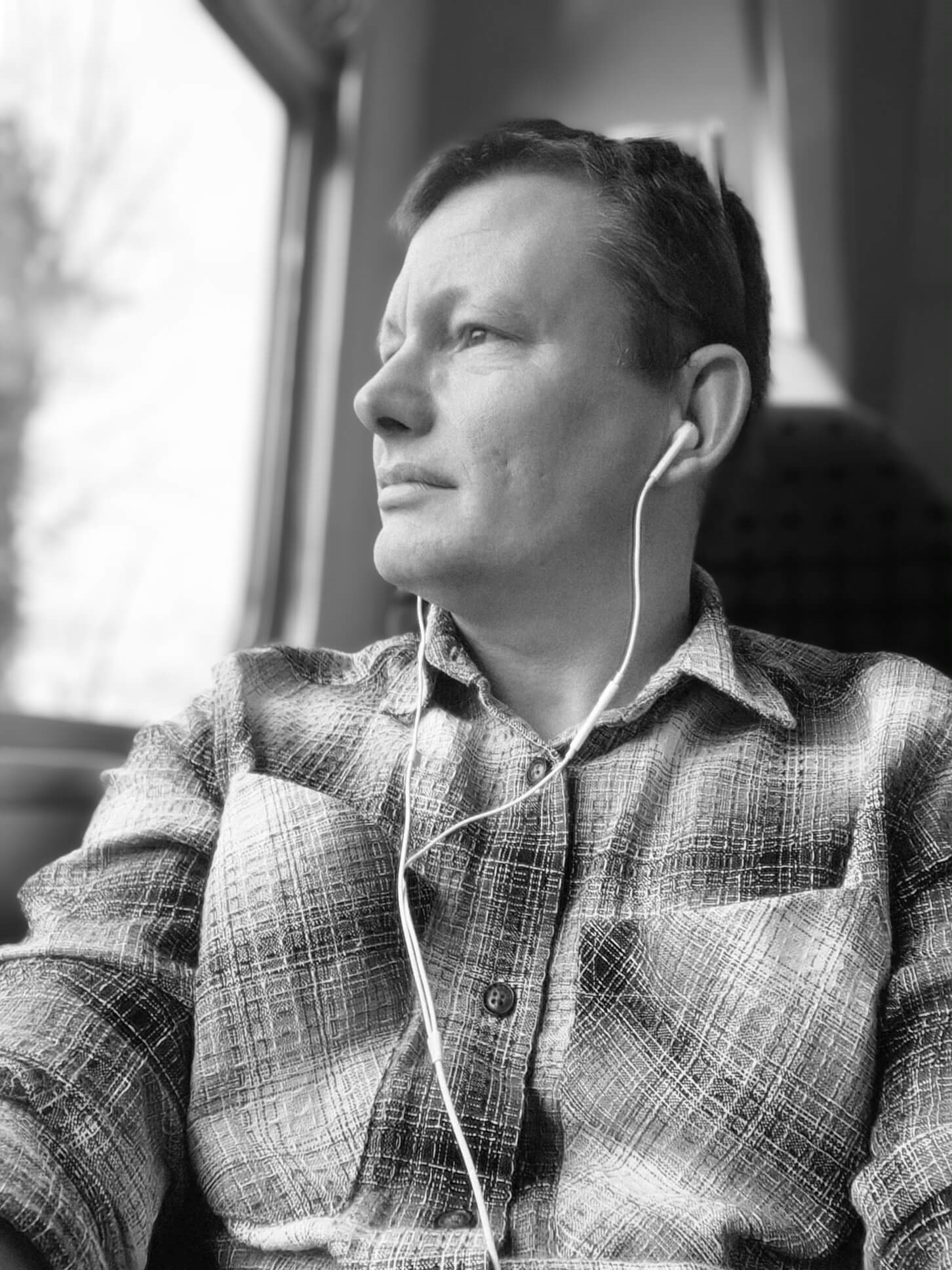
Richard Cox
Registered Member MBACP (Accredited)
Contact information
- Phone number
- 07368651152
Features
- Flexible hours available
- Concessionary rates
About me and my therapy practice
“Direct, grounded, and quietly challenging. I didn’t realise how much I was avoiding myself until I started therapy.”
Hello, I’m Rick.
I work with people who understand a great deal about themselves but still find the same patterns taking over under pressure, in relationships, or when difficult feelings are stirred.
Insight matters, but understanding a pattern is not the same as changing it.
My work focuses on three connected processes:
• The feelings that are being activated
• The anxiety that arises in response to those feelings
• The ways you automatically avoid, suppress, control or disconnect from them
These ways of coping developed for a reason. At some point they helped you manage feelings or relationships that felt difficult, frightening or unsafe. But a strategy that once protected you may now be restricting your life.
You may overthink instead of feeling, explain instead of experiencing, focus on other people rather than yourself, become pleasing or passive, withdraw, attack yourself, or work hard to stay in control.
Therapy is active and focused. We will not only talk about what happened; we will pay attention to what happens in you here and now, including how anxiety shows up in your body and how you move away from feelings when they become difficult.
I often work with people who:
• Experience anxiety, overthinking or emotional tension
• Feel flat, shut down or disconnected
• Repeat painful patterns in relationships
• Appear capable and high-functioning while struggling internally
• Become trapped in shame, self-criticism, avoidance or excessive control
• Have had therapy before and gained insight without substantial change
I am calm, direct and actively engaged. I will not force you faster than you can go, but I will help us notice when a familiar pattern is getting in the way of the work.
Practice description
I organise my work around three simple ideas:
• Feelings do not disappear because we avoid them
• Anxiety is a bodily response, not just a thought
• Coping strategies can protect us and also quietly keep a problem going
Therapy is about helping you understand this system as it operates in real time, and gradually develop a different response.
I am calm, direct and engaged. I will not push you faster than you can tolerate, but I will also not treat repeatedly describing the problem as the same as working on it. When I notice you moving away from something important, I may draw attention to it so we can understand what is happening and decide together whether to stay with it.
We will pay close attention to anxiety and capacity. When anxiety is manageable, we can continue exploring what lies underneath it. When it becomes too high, affects thinking or leads to disconnection, we slow down and regulate before proceeding.
I am a UK-based BACP-accredited psychodynamic psychotherapist with over eight years’ experience and more than 5,000 hours of clinical work. I am listed with the International Experiential Dynamic Therapy Association (IEDTA) as a student therapist and as I am in specialist training in Intensive Short-Term Dynamic Psychotherapy (ISTDP).
I have worked extensively with:
• Anxiety and chronic stress
• Trauma and early emotional wounding
• Relationship and attachment difficulties
• Emotional fragility and difficulties regulating anxiety
• Emotional shutdown, passivity and over-control
• Long-standing patterns that have not changed through insight alone
I am not interested in treating you as something that needs to be fixed. I am interested in understanding, with you, the system that developed to protect you, and whether it is still helping or has become part of what keeps you stuck.
My first session
In the first session, we will begin by clarifying what you want help with and how the problem operates in your present life.
I will be interested not only in the history of the difficulty, but in what happens when it becomes active now.
We may look at:
• What tends to trigger the problem
• What feelings are stirred
• How anxiety shows up in your body
• What you do automatically when those feelings or anxiety arise
• Whether that response helps you or keeps the problem going
• What you would like to be different
I will also pay attention to how we are able to work together in the session. If you become overwhelmed, lose clarity, shut down or move too far away from the emotional experience, we can slow things down. If you are able to stay with something important without becoming overwhelmed, we may stay with it a little longer.
There is no requirement to arrive knowing exactly what you feel, and we do not need to manufacture emotion. Part of the work may simply be noticing what is present and what happens next.
By the end of the session, we should have a clearer picture of the problem you want to change, the patterns that may be maintaining it, how your anxiety needs to be worked with, and whether this way of working feels useful and appropriate for you.
The first session is also an opportunity for you to get a sense of me. Therapy needs to be collaborative, and you remain free to decide whether you want to continue.
What I can help with
Abuse, Addictions, Anxiety, Eating disorders, Identity issues, Personal development, Relationships, Sex-related issues, Sexual identity, Sexuality, Spirituality, Stress, Trauma
Types of therapy
Emotionally focused therapy, Psychodynamic
Clients I work with
Adults, Trainees
How I deliver therapy
Long term sessions, Online therapy, Short term sessions
Languages spoken
English