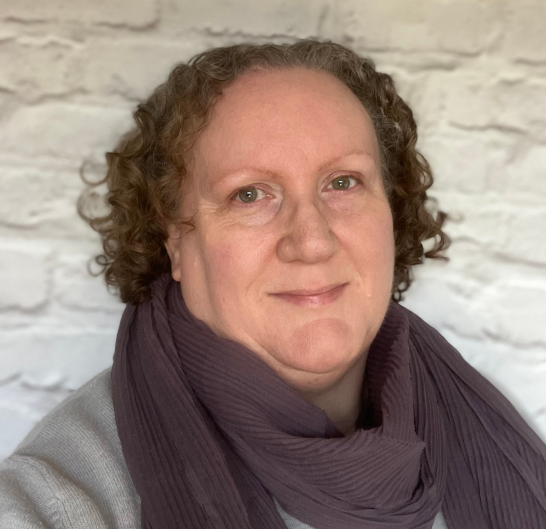
Claire Banks
Registered Member MBACP
Contact information
Features
- Flexible hours available
Availability
Available days: Monday to Thursday
Available times: 9am – 7pm
I understand that reaching out for counselling can feel like a big step. You may have questions about how counselling works or whether it feels like the right time to start.
I offer a free 15-minute initial consultation, providing space to talk about what brings you here, ask any questions, and explore whether working together feels like the right fit.
About me and my therapy practice
You may already know the voice I mean.
The one that comments on what you have eaten, what you are about to eat, whether you have been “good” or whether you have “messed up” again.
The one that makes food feel like something you constantly have to think about, manage or get right.
If food feels complicated, exhausting or overwhelming, you’re not alone.
Perhaps you eat when you are not physically hungry, turn to food for comfort, feel guilty or ashamed after eating, or struggle with thoughts about food that never seem to switch off.
Many people who struggle with emotional eating already know what they “should” be doing around food. The challenge is rarely knowledge or willpower. It is understanding why food has become connected with emotions, experiences, coping strategies and the way you see yourself.
I am an online counsellor specialising in emotional eating counselling, supporting adults who want to understand their relationship with food.
This may include feeling stuck in cycles of overeating or comfort eating, experiencing food guilt or shame, or feeling exhausted by food thoughts.
My own relationship with food has been complicated, and I understand how frustrating it feels to want change yet remain stuck in difficult patterns. I came to understand my struggles were not about discipline or control, but emotions and experiences underneath.
Alongside my lived experience, I bring a first-class BSc (Hons) Psychology degree, Diploma in Counselling and experience as a BACP Registered Counsellor. I am also the author of Just Call Me Fat: Jumping Off The Food Noise Merry-Go-Round, sharing my experiences of emotional eating, food noise and body image.
Counselling is not about another set of food rules. It is about understanding what sits beneath your relationship with food, reducing self-blame and developing a more compassionate relationship with yourself.
I also support UK adults with anxiety, low self-esteem, stress, grief and transitions.
I offer online counselling for UK adults.
Practice description
Understanding what sits beneath your struggles
When you come to counselling, you are bringing more than a behaviour you want to change. You are bringing your experiences, emotions, thoughts and the ways you have learned to cope.
Together, we can explore what sits beneath the patterns that feel difficult to understand or change. For emotional eating, this means looking beyond the food itself and exploring the emotions, experiences and beliefs that may be influencing your relationship with food.
Many people have spent years trying to control their eating, criticising themselves or believing they should simply have more willpower. Counselling offers space to move away from self-blame and towards greater understanding.
A compassionate and collaborative approach
I work as an integrative counsellor, drawing from different therapeutic approaches and adapting our work to you as an individual. There is no one-size-fits-all approach, and our sessions will be guided by what feels most helpful for you.
I believe counselling is not about becoming a different person or following another set of rules. It is about developing a kinder understanding of yourself, recognising the patterns that have developed, and creating more choice in how you respond to life's challenges.
Sessions provide a confidential space where you can talk openly, without judgement, shame or pressure to change overnight.
What you can expect from sessions
Starting counselling can feel like a big step. You may wonder whether your struggles are "enough" to bring to therapy, what you will talk about, or whether someone will truly understand.
Together, we can make sense of your experiences, recognise patterns and begin to understand what you need. Over time, this may mean food taking up less space in your mind, feeling less controlled by guilt and self-criticism, and no longer putting life on pause until you feel "good enough".
My first session
Your first counselling session
Starting counselling can feel like a big step, especially if you have spent a long time trying to understand your relationship with food on your own.
Our first session is an opportunity to get to know each other, talk about what has brought you to counselling, and explore what you would like support with. You are welcome to ask any questions and share as much or as little as you feel comfortable with.
There is no expectation to arrive knowing exactly what to say or having everything figured out.
We begin wherever you are, at a pace that feels right for you.
What I can help with
Anxiety, Bereavement, Eating disorders, Identity issues, Loss, Personal development, Redundancy, Self esteem, Stress, Work related issues
Types of therapy
Humanistic, Integrative, Person centred
Clients I work with
Adults, Older adults, Trainees
How I deliver therapy
Long term sessions, Online therapy, Short term sessions, Single session therapy (SST), Telephone therapy, Time-limited
Languages spoken
English
Features
- Flexible hours available
Availability
Available days: Monday to Thursday
Available times: 9am – 7pm
I understand that reaching out for counselling can feel like a big step. You may have questions about how counselling works or whether it feels like the right time to start.
I offer a free 15-minute initial consultation, providing space to talk about what brings you here, ask any questions, and explore whether working together feels like the right fit.
About me and my therapy practice
You may already know the voice I mean.
The one that comments on what you have eaten, what you are about to eat, whether you have been “good” or whether you have “messed up” again.
The one that makes food feel like something you constantly have to think about, manage or get right.
If food feels complicated, exhausting or overwhelming, you’re not alone.
Perhaps you eat when you are not physically hungry, turn to food for comfort, feel guilty or ashamed after eating, or struggle with thoughts about food that never seem to switch off.
Many people who struggle with emotional eating already know what they “should” be doing around food. The challenge is rarely knowledge or willpower. It is understanding why food has become connected with emotions, experiences, coping strategies and the way you see yourself.
I am an online counsellor specialising in emotional eating counselling, supporting adults who want to understand their relationship with food.
This may include feeling stuck in cycles of overeating or comfort eating, experiencing food guilt or shame, or feeling exhausted by food thoughts.
My own relationship with food has been complicated, and I understand how frustrating it feels to want change yet remain stuck in difficult patterns. I came to understand my struggles were not about discipline or control, but emotions and experiences underneath.
Alongside my lived experience, I bring a first-class BSc (Hons) Psychology degree, Diploma in Counselling and experience as a BACP Registered Counsellor. I am also the author of Just Call Me Fat: Jumping Off The Food Noise Merry-Go-Round, sharing my experiences of emotional eating, food noise and body image.
Counselling is not about another set of food rules. It is about understanding what sits beneath your relationship with food, reducing self-blame and developing a more compassionate relationship with yourself.
I also support UK adults with anxiety, low self-esteem, stress, grief and transitions.
I offer online counselling for UK adults.
Practice description
Understanding what sits beneath your struggles
When you come to counselling, you are bringing more than a behaviour you want to change. You are bringing your experiences, emotions, thoughts and the ways you have learned to cope.
Together, we can explore what sits beneath the patterns that feel difficult to understand or change. For emotional eating, this means looking beyond the food itself and exploring the emotions, experiences and beliefs that may be influencing your relationship with food.
Many people have spent years trying to control their eating, criticising themselves or believing they should simply have more willpower. Counselling offers space to move away from self-blame and towards greater understanding.
A compassionate and collaborative approach
I work as an integrative counsellor, drawing from different therapeutic approaches and adapting our work to you as an individual. There is no one-size-fits-all approach, and our sessions will be guided by what feels most helpful for you.
I believe counselling is not about becoming a different person or following another set of rules. It is about developing a kinder understanding of yourself, recognising the patterns that have developed, and creating more choice in how you respond to life's challenges.
Sessions provide a confidential space where you can talk openly, without judgement, shame or pressure to change overnight.
What you can expect from sessions
Starting counselling can feel like a big step. You may wonder whether your struggles are "enough" to bring to therapy, what you will talk about, or whether someone will truly understand.
Together, we can make sense of your experiences, recognise patterns and begin to understand what you need. Over time, this may mean food taking up less space in your mind, feeling less controlled by guilt and self-criticism, and no longer putting life on pause until you feel "good enough".
My first session
Your first counselling session
Starting counselling can feel like a big step, especially if you have spent a long time trying to understand your relationship with food on your own.
Our first session is an opportunity to get to know each other, talk about what has brought you to counselling, and explore what you would like support with. You are welcome to ask any questions and share as much or as little as you feel comfortable with.
There is no expectation to arrive knowing exactly what to say or having everything figured out.
We begin wherever you are, at a pace that feels right for you.
What I can help with
Anxiety, Bereavement, Eating disorders, Identity issues, Loss, Personal development, Redundancy, Self esteem, Stress, Work related issues
Types of therapy
Humanistic, Integrative, Person centred
Clients I work with
Adults, Older adults, Trainees
How I deliver therapy
Long term sessions, Online therapy, Short term sessions, Single session therapy (SST), Telephone therapy, Time-limited
Languages spoken
English
Features
- Flexible hours available
Availability
Available days: Monday to Thursday
Available times: 9am – 7pm
I understand that reaching out for counselling can feel like a big step. You may have questions about how counselling works or whether it feels like the right time to start.
I offer a free 15-minute initial consultation, providing space to talk about what brings you here, ask any questions, and explore whether working together feels like the right fit.
About me and my therapy practice
You may already know the voice I mean.
The one that comments on what you have eaten, what you are about to eat, whether you have been “good” or whether you have “messed up” again.
The one that makes food feel like something you constantly have to think about, manage or get right.
If food feels complicated, exhausting or overwhelming, you’re not alone.
Perhaps you eat when you are not physically hungry, turn to food for comfort, feel guilty or ashamed after eating, or struggle with thoughts about food that never seem to switch off.
Many people who struggle with emotional eating already know what they “should” be doing around food. The challenge is rarely knowledge or willpower. It is understanding why food has become connected with emotions, experiences, coping strategies and the way you see yourself.
I am an online counsellor specialising in emotional eating counselling, supporting adults who want to understand their relationship with food.
This may include feeling stuck in cycles of overeating or comfort eating, experiencing food guilt or shame, or feeling exhausted by food thoughts.
My own relationship with food has been complicated, and I understand how frustrating it feels to want change yet remain stuck in difficult patterns. I came to understand my struggles were not about discipline or control, but emotions and experiences underneath.
Alongside my lived experience, I bring a first-class BSc (Hons) Psychology degree, Diploma in Counselling and experience as a BACP Registered Counsellor. I am also the author of Just Call Me Fat: Jumping Off The Food Noise Merry-Go-Round, sharing my experiences of emotional eating, food noise and body image.
Counselling is not about another set of food rules. It is about understanding what sits beneath your relationship with food, reducing self-blame and developing a more compassionate relationship with yourself.
I also support UK adults with anxiety, low self-esteem, stress, grief and transitions.
I offer online counselling for UK adults.
Practice description
Understanding what sits beneath your struggles
When you come to counselling, you are bringing more than a behaviour you want to change. You are bringing your experiences, emotions, thoughts and the ways you have learned to cope.
Together, we can explore what sits beneath the patterns that feel difficult to understand or change. For emotional eating, this means looking beyond the food itself and exploring the emotions, experiences and beliefs that may be influencing your relationship with food.
Many people have spent years trying to control their eating, criticising themselves or believing they should simply have more willpower. Counselling offers space to move away from self-blame and towards greater understanding.
A compassionate and collaborative approach
I work as an integrative counsellor, drawing from different therapeutic approaches and adapting our work to you as an individual. There is no one-size-fits-all approach, and our sessions will be guided by what feels most helpful for you.
I believe counselling is not about becoming a different person or following another set of rules. It is about developing a kinder understanding of yourself, recognising the patterns that have developed, and creating more choice in how you respond to life's challenges.
Sessions provide a confidential space where you can talk openly, without judgement, shame or pressure to change overnight.
What you can expect from sessions
Starting counselling can feel like a big step. You may wonder whether your struggles are "enough" to bring to therapy, what you will talk about, or whether someone will truly understand.
Together, we can make sense of your experiences, recognise patterns and begin to understand what you need. Over time, this may mean food taking up less space in your mind, feeling less controlled by guilt and self-criticism, and no longer putting life on pause until you feel "good enough".
My first session
Your first counselling session
Starting counselling can feel like a big step, especially if you have spent a long time trying to understand your relationship with food on your own.
Our first session is an opportunity to get to know each other, talk about what has brought you to counselling, and explore what you would like support with. You are welcome to ask any questions and share as much or as little as you feel comfortable with.
There is no expectation to arrive knowing exactly what to say or having everything figured out.
We begin wherever you are, at a pace that feels right for you.
What I can help with
Anxiety, Bereavement, Eating disorders, Identity issues, Loss, Personal development, Redundancy, Self esteem, Stress, Work related issues
Types of therapy
Humanistic, Integrative, Person centred
Clients I work with
Adults, Older adults, Trainees
How I deliver therapy
Long term sessions, Online therapy, Short term sessions, Single session therapy (SST), Telephone therapy, Time-limited
Languages spoken
English
Features
- Flexible hours available
Availability
Available days: Monday to Thursday
Available times: 9am – 7pm
I understand that reaching out for counselling can feel like a big step. You may have questions about how counselling works or whether it feels like the right time to start.
I offer a free 15-minute initial consultation, providing space to talk about what brings you here, ask any questions, and explore whether working together feels like the right fit.
About me and my therapy practice
You may already know the voice I mean.
The one that comments on what you have eaten, what you are about to eat, whether you have been “good” or whether you have “messed up” again.
The one that makes food feel like something you constantly have to think about, manage or get right.
If food feels complicated, exhausting or overwhelming, you’re not alone.
Perhaps you eat when you are not physically hungry, turn to food for comfort, feel guilty or ashamed after eating, or struggle with thoughts about food that never seem to switch off.
Many people who struggle with emotional eating already know what they “should” be doing around food. The challenge is rarely knowledge or willpower. It is understanding why food has become connected with emotions, experiences, coping strategies and the way you see yourself.
I am an online counsellor specialising in emotional eating counselling, supporting adults who want to understand their relationship with food.
This may include feeling stuck in cycles of overeating or comfort eating, experiencing food guilt or shame, or feeling exhausted by food thoughts.
My own relationship with food has been complicated, and I understand how frustrating it feels to want change yet remain stuck in difficult patterns. I came to understand my struggles were not about discipline or control, but emotions and experiences underneath.
Alongside my lived experience, I bring a first-class BSc (Hons) Psychology degree, Diploma in Counselling and experience as a BACP Registered Counsellor. I am also the author of Just Call Me Fat: Jumping Off The Food Noise Merry-Go-Round, sharing my experiences of emotional eating, food noise and body image.
Counselling is not about another set of food rules. It is about understanding what sits beneath your relationship with food, reducing self-blame and developing a more compassionate relationship with yourself.
I also support UK adults with anxiety, low self-esteem, stress, grief and transitions.
I offer online counselling for UK adults.
Practice description
Understanding what sits beneath your struggles
When you come to counselling, you are bringing more than a behaviour you want to change. You are bringing your experiences, emotions, thoughts and the ways you have learned to cope.
Together, we can explore what sits beneath the patterns that feel difficult to understand or change. For emotional eating, this means looking beyond the food itself and exploring the emotions, experiences and beliefs that may be influencing your relationship with food.
Many people have spent years trying to control their eating, criticising themselves or believing they should simply have more willpower. Counselling offers space to move away from self-blame and towards greater understanding.
A compassionate and collaborative approach
I work as an integrative counsellor, drawing from different therapeutic approaches and adapting our work to you as an individual. There is no one-size-fits-all approach, and our sessions will be guided by what feels most helpful for you.
I believe counselling is not about becoming a different person or following another set of rules. It is about developing a kinder understanding of yourself, recognising the patterns that have developed, and creating more choice in how you respond to life's challenges.
Sessions provide a confidential space where you can talk openly, without judgement, shame or pressure to change overnight.
What you can expect from sessions
Starting counselling can feel like a big step. You may wonder whether your struggles are "enough" to bring to therapy, what you will talk about, or whether someone will truly understand.
Together, we can make sense of your experiences, recognise patterns and begin to understand what you need. Over time, this may mean food taking up less space in your mind, feeling less controlled by guilt and self-criticism, and no longer putting life on pause until you feel "good enough".
My first session
Your first counselling session
Starting counselling can feel like a big step, especially if you have spent a long time trying to understand your relationship with food on your own.
Our first session is an opportunity to get to know each other, talk about what has brought you to counselling, and explore what you would like support with. You are welcome to ask any questions and share as much or as little as you feel comfortable with.
There is no expectation to arrive knowing exactly what to say or having everything figured out.
We begin wherever you are, at a pace that feels right for you.
What I can help with
Anxiety, Bereavement, Eating disorders, Identity issues, Loss, Personal development, Redundancy, Self esteem, Stress, Work related issues
Types of therapy
Humanistic, Integrative, Person centred
Clients I work with
Adults, Older adults, Trainees
How I deliver therapy
Long term sessions, Online therapy, Short term sessions, Single session therapy (SST), Telephone therapy, Time-limited
Languages spoken
English
Features
- Flexible hours available
Availability
Available days: Monday to Thursday
Available times: 9am – 7pm
I understand that reaching out for counselling can feel like a big step. You may have questions about how counselling works or whether it feels like the right time to start.
I offer a free 15-minute initial consultation, providing space to talk about what brings you here, ask any questions, and explore whether working together feels like the right fit.
About me and my therapy practice
You may already know the voice I mean.
The one that comments on what you have eaten, what you are about to eat, whether you have been “good” or whether you have “messed up” again.
The one that makes food feel like something you constantly have to think about, manage or get right.
If food feels complicated, exhausting or overwhelming, you’re not alone.
Perhaps you eat when you are not physically hungry, turn to food for comfort, feel guilty or ashamed after eating, or struggle with thoughts about food that never seem to switch off.
Many people who struggle with emotional eating already know what they “should” be doing around food. The challenge is rarely knowledge or willpower. It is understanding why food has become connected with emotions, experiences, coping strategies and the way you see yourself.
I am an online counsellor specialising in emotional eating counselling, supporting adults who want to understand their relationship with food.
This may include feeling stuck in cycles of overeating or comfort eating, experiencing food guilt or shame, or feeling exhausted by food thoughts.
My own relationship with food has been complicated, and I understand how frustrating it feels to want change yet remain stuck in difficult patterns. I came to understand my struggles were not about discipline or control, but emotions and experiences underneath.
Alongside my lived experience, I bring a first-class BSc (Hons) Psychology degree, Diploma in Counselling and experience as a BACP Registered Counsellor. I am also the author of Just Call Me Fat: Jumping Off The Food Noise Merry-Go-Round, sharing my experiences of emotional eating, food noise and body image.
Counselling is not about another set of food rules. It is about understanding what sits beneath your relationship with food, reducing self-blame and developing a more compassionate relationship with yourself.
I also support UK adults with anxiety, low self-esteem, stress, grief and transitions.
I offer online counselling for UK adults.
Practice description
Understanding what sits beneath your struggles
When you come to counselling, you are bringing more than a behaviour you want to change. You are bringing your experiences, emotions, thoughts and the ways you have learned to cope.
Together, we can explore what sits beneath the patterns that feel difficult to understand or change. For emotional eating, this means looking beyond the food itself and exploring the emotions, experiences and beliefs that may be influencing your relationship with food.
Many people have spent years trying to control their eating, criticising themselves or believing they should simply have more willpower. Counselling offers space to move away from self-blame and towards greater understanding.
A compassionate and collaborative approach
I work as an integrative counsellor, drawing from different therapeutic approaches and adapting our work to you as an individual. There is no one-size-fits-all approach, and our sessions will be guided by what feels most helpful for you.
I believe counselling is not about becoming a different person or following another set of rules. It is about developing a kinder understanding of yourself, recognising the patterns that have developed, and creating more choice in how you respond to life's challenges.
Sessions provide a confidential space where you can talk openly, without judgement, shame or pressure to change overnight.
What you can expect from sessions
Starting counselling can feel like a big step. You may wonder whether your struggles are "enough" to bring to therapy, what you will talk about, or whether someone will truly understand.
Together, we can make sense of your experiences, recognise patterns and begin to understand what you need. Over time, this may mean food taking up less space in your mind, feeling less controlled by guilt and self-criticism, and no longer putting life on pause until you feel "good enough".
My first session
Your first counselling session
Starting counselling can feel like a big step, especially if you have spent a long time trying to understand your relationship with food on your own.
Our first session is an opportunity to get to know each other, talk about what has brought you to counselling, and explore what you would like support with. You are welcome to ask any questions and share as much or as little as you feel comfortable with.
There is no expectation to arrive knowing exactly what to say or having everything figured out.
We begin wherever you are, at a pace that feels right for you.
What I can help with
Anxiety, Bereavement, Eating disorders, Identity issues, Loss, Personal development, Redundancy, Self esteem, Stress, Work related issues
Types of therapy
Humanistic, Integrative, Person centred
Clients I work with
Adults, Older adults, Trainees
How I deliver therapy
Long term sessions, Online therapy, Short term sessions, Single session therapy (SST), Telephone therapy, Time-limited
Languages spoken
English
Features
- Flexible hours available
Availability
Available days: Monday to Thursday
Available times: 9am – 7pm
I understand that reaching out for counselling can feel like a big step. You may have questions about how counselling works or whether it feels like the right time to start.
I offer a free 15-minute initial consultation, providing space to talk about what brings you here, ask any questions, and explore whether working together feels like the right fit.
About me and my therapy practice
You may already know the voice I mean.
The one that comments on what you have eaten, what you are about to eat, whether you have been “good” or whether you have “messed up” again.
The one that makes food feel like something you constantly have to think about, manage or get right.
If food feels complicated, exhausting or overwhelming, you’re not alone.
Perhaps you eat when you are not physically hungry, turn to food for comfort, feel guilty or ashamed after eating, or struggle with thoughts about food that never seem to switch off.
Many people who struggle with emotional eating already know what they “should” be doing around food. The challenge is rarely knowledge or willpower. It is understanding why food has become connected with emotions, experiences, coping strategies and the way you see yourself.
I am an online counsellor specialising in emotional eating counselling, supporting adults who want to understand their relationship with food.
This may include feeling stuck in cycles of overeating or comfort eating, experiencing food guilt or shame, or feeling exhausted by food thoughts.
My own relationship with food has been complicated, and I understand how frustrating it feels to want change yet remain stuck in difficult patterns. I came to understand my struggles were not about discipline or control, but emotions and experiences underneath.
Alongside my lived experience, I bring a first-class BSc (Hons) Psychology degree, Diploma in Counselling and experience as a BACP Registered Counsellor. I am also the author of Just Call Me Fat: Jumping Off The Food Noise Merry-Go-Round, sharing my experiences of emotional eating, food noise and body image.
Counselling is not about another set of food rules. It is about understanding what sits beneath your relationship with food, reducing self-blame and developing a more compassionate relationship with yourself.
I also support UK adults with anxiety, low self-esteem, stress, grief and transitions.
I offer online counselling for UK adults.
Practice description
Understanding what sits beneath your struggles
When you come to counselling, you are bringing more than a behaviour you want to change. You are bringing your experiences, emotions, thoughts and the ways you have learned to cope.
Together, we can explore what sits beneath the patterns that feel difficult to understand or change. For emotional eating, this means looking beyond the food itself and exploring the emotions, experiences and beliefs that may be influencing your relationship with food.
Many people have spent years trying to control their eating, criticising themselves or believing they should simply have more willpower. Counselling offers space to move away from self-blame and towards greater understanding.
A compassionate and collaborative approach
I work as an integrative counsellor, drawing from different therapeutic approaches and adapting our work to you as an individual. There is no one-size-fits-all approach, and our sessions will be guided by what feels most helpful for you.
I believe counselling is not about becoming a different person or following another set of rules. It is about developing a kinder understanding of yourself, recognising the patterns that have developed, and creating more choice in how you respond to life's challenges.
Sessions provide a confidential space where you can talk openly, without judgement, shame or pressure to change overnight.
What you can expect from sessions
Starting counselling can feel like a big step. You may wonder whether your struggles are "enough" to bring to therapy, what you will talk about, or whether someone will truly understand.
Together, we can make sense of your experiences, recognise patterns and begin to understand what you need. Over time, this may mean food taking up less space in your mind, feeling less controlled by guilt and self-criticism, and no longer putting life on pause until you feel "good enough".
My first session
Your first counselling session
Starting counselling can feel like a big step, especially if you have spent a long time trying to understand your relationship with food on your own.
Our first session is an opportunity to get to know each other, talk about what has brought you to counselling, and explore what you would like support with. You are welcome to ask any questions and share as much or as little as you feel comfortable with.
There is no expectation to arrive knowing exactly what to say or having everything figured out.
We begin wherever you are, at a pace that feels right for you.
What I can help with
Anxiety, Bereavement, Eating disorders, Identity issues, Loss, Personal development, Redundancy, Self esteem, Stress, Work related issues
Types of therapy
Humanistic, Integrative, Person centred
Clients I work with
Adults, Older adults, Trainees
How I deliver therapy
Long term sessions, Online therapy, Short term sessions, Single session therapy (SST), Telephone therapy, Time-limited
Languages spoken
English