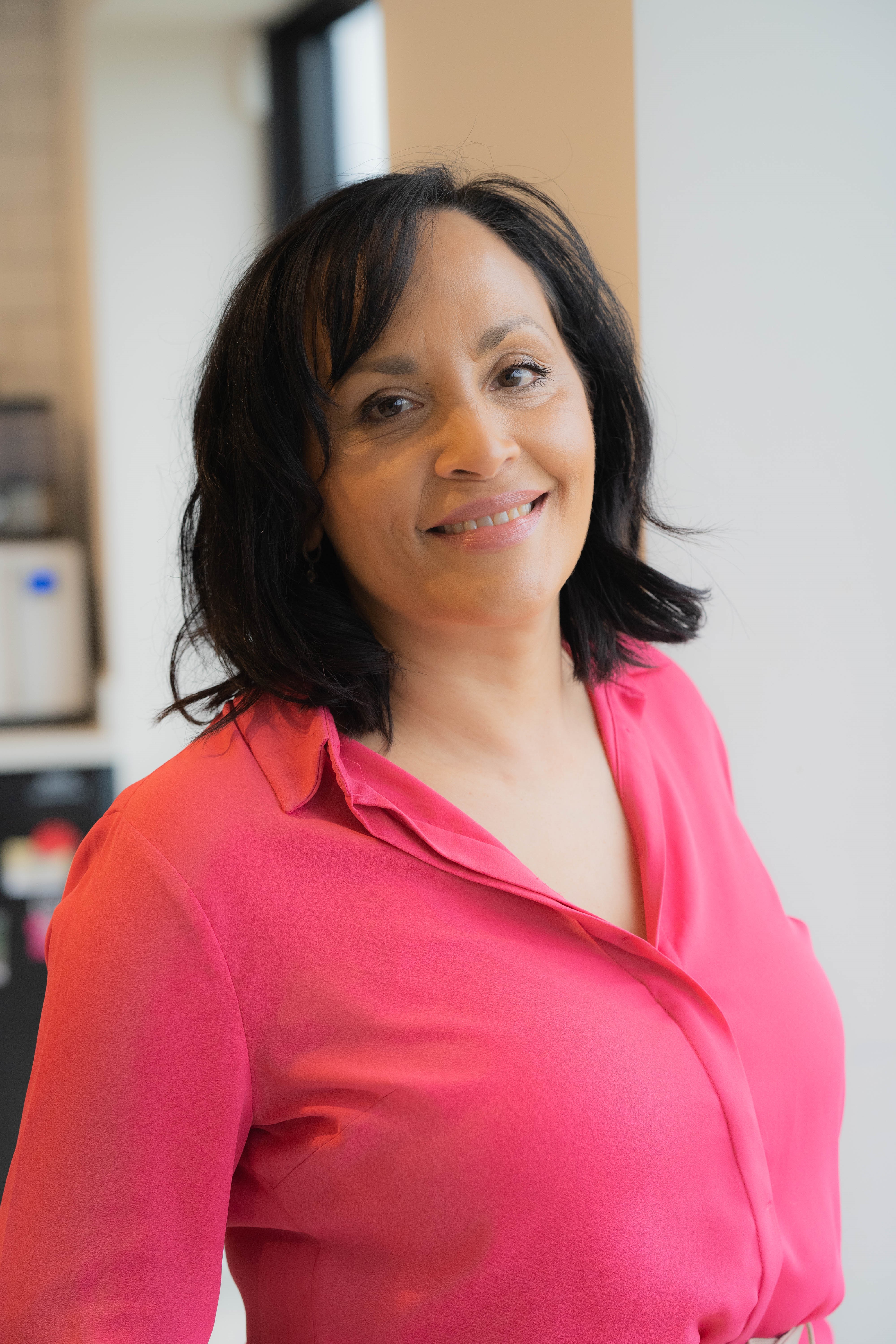
Natasha Albinson
Registered Member MBACP
Contact information
- Phone number
- 07866715171
Features
- Flexible hours available
Availability
I currently operate a waiting list; however, I am transitioning a few clients towards ending therapy, so please do contact me for availability.
Currently, I have some space on a Tuesday in Stockport or a Thursday in Salford Quays, but please do drop me an email or text and I have let you know my most current availability.
About me and my therapy practice
I’m a down-to-earth therapist who came to this work through personal experience as much as professional training. Living with anxiety, depression, family difficulties, and bereavement through suicide shaped my path long before I ever sat in a therapist’s chair as a professional. I spent years exploring different types of therapy, not just studying them, but experiencing them firsthand. That journey showed me what can really help and inspired me to train as an integrative therapist. Therapy has brought real change to my life, and I’m deeply committed to helping others find more stability, self-understanding, and ease in their own lives. I’m proud to say that my clients often describe me as genuine, non-judgmental and easy to talk to so if you've come this far I hope I can help you take the next courageous step.
Feeling at peace with yourself is possible. Whether you believe it or not, we all have the capacity to heal and grow. It’s not always easy, but it is possible. I’m here to support you in finding your own way forward because living with more ease and self-acceptance isn’t out of reach.
Practice description
I use Schema Therapy as a deeply integrative and transformative approach to help you understand and heal long-standing thought - emotional – behavioural patterns. This therapy brings together elements of cognitive, experiential, interpersonal, and behavioural work to address unmet emotional needs and shift your inner beliefs known as schemas that can keep you feeling stuck, ashamed, or disconnected. Through a compassionate and collaborative process, we explore the modes or parts of you that have developed to cope, protect, or survive, and work gently toward change that feels safe and lasting. Schema Therapy is especially helpful if you’ve tried other approaches but still feel caught in the same patterns, offering depth, clarity, and hope for real emotional growth.
My first session
In our first session, we would begin with a gentle psychoeducational phase. This is about building a shared understanding of what you’re struggling with now, and starting to explore where some of these patterns may have developed. I’ll explain how this form of therapy works and how difficulties can form over time, often outside of conscious awareness.
I may suggest some reading at this stage, as developing a shared language and understanding is an important foundation. Together, we’ll begin to identify any key schemas and coping modes that might be operating for you. This helps us create a clear, collaborative map of what’s going on, so the work we do is relevant, targeted, and genuinely helpful for you.
We’ll also begin an assessment and exploration phase. This involves looking at your early environment, your current emotional world, and—where it feels useful—considering the psychological patterns of parents or caregivers. This isn’t about blame, but about understanding context. From this, we start to build a personalised case conceptualisation and treatment plan, which will continue to evolve as we work together.
Because this is a detailed and integrative form of therapy, I’ll ask you to complete some thorough questionnaires. These are helpful, but they don’t capture everything, as many emotional and behavioural patterns operate beneath conscious awareness. Over time, we may also use experiential exercises to access the felt sense of your experiences more directly.
Importantly, you are in control throughout the process. I won’t push you beyond your window of tolerance. You set the pace and have choice about what we focus on in each session. I aim to keep power differences to a minimum—my view is that we are two adults in a room, working things out together. There are no right or wrong answers, only what feels true and meaningful to you. That sense of safety and collaboration is a core part of the therapeutic work.
Types of therapy
CBT, Cognitive, Emotionally focused therapy, Gestalt, Humanistic, Integrative, Person centred, Solution focused brief therapy, Transactional analysis
Clients I work with
Adults, EAP, Groups, Older adults, Organisations, Trainees
How I deliver therapy
Long term sessions, Long-term face-to-face work, Online therapy
Languages spoken
English