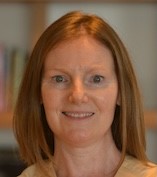
Suzanne Morgan
Registered Member MBACP
Contact information
- Phone number
- 07930098745
Features
- Flexible hours available
- Concessionary rates
Availability
I offer appointments Monday to Friday, by arrangement.
During our initial free 15-minute telephone conversation, we can discuss availability and find a mutually convenient time and location for counselling sessions.
I am currently welcoming new client enquiries.
Accessibility
The therapy room is located on the first floor of a Grade II listed building and can be accessed by lift. However, the premises are not wheelchair accessible.
My practice in Hursley, near Winchester, offers step-free wheelchair access. I also offer online counselling sessions across the UK.
About me and my therapy practice
A Place To Be. A Way Forward.
Drawing on experience in NHS and community outreach settings, I offer compassionate, grounded counselling tailored to your needs. Our work is collaborative and guided by what you hope to gain from counselling.
I offer individual counselling for young people (18+) and adults of all ages experiencing anxiety, depression, stress, burnout, grief, loss, chronic illness, bereavement and relationship difficulties, as well as other challenges affecting emotional wellbeing.
About Me
My approach is evidence-based and trauma-informed, taking account of the whole person, including how earlier experiences and present circumstances may influence psychological wellbeing. Trained in Humanistic Counselling with Transactional Analysis, I also draw on Gestalt techniques to explore feelings and present-moment experiences.
My postdoctoral research and teaching in medical schools have given me insight into the pressures of academic and professional life, including uncertainty, competing demands and balancing work with personal life.
My research into the effects of birdsong on positive and transcendent emotions has deepened my interest in the stress-reducing and restorative qualities of nature, which also inform my counselling practice.
Together, we can explore patterns behind your difficulties, uncover and draw on your strengths, develop ways of coping and work towards meaningful change.
With Greater Awareness Comes The Possibility Of Change
Counselling offers a space where you can be yourself, without judgement or expectation. It is not always about finding immediate answers; some feelings and experiences take time to understand.
Alongside making sense of the difficulties you may be experiencing, we can consider the beliefs that shape how you see yourself and the world, reflect on what matters to you and explore ways to nurture your psychological wellbeing.
Beyond managing difficulties, counselling can also offer opportunities for personal growth and fulfilment.
Practice description
How We Might Work
I believe that feeling understood can help us make sense of our experiences. I aim to offer a calm, warm and nonjudgemental space where we can explore your concerns together, at a pace that feels right for you.
I am sensitive to neurodiversity, recognising that people differ in how they think, process information and experience the world, and adapt my approach accordingly.
My approach is humanistic and relational, grounded in my training in Humanistic Counselling with Transactional Analysis. At the heart of this is an interest in you as an individual, including your experiences and relationships.
The therapeutic relationship itself can also offer an opportunity to recognise familiar ways of relating to others and consider how these may influence our relationships beyond counselling.
Alongside exploring difficulties, we can recognise your strengths and personal resources and consider how these might support your wellbeing.
Progress
We will review our work together regularly, reflecting on your progress, changes you have noticed and whether your needs or goals have evolved.
Counselling is not always about finding immediate answers. Our work may involve exploring feelings that are difficult to express, recognising familiar patterns in thinking and relating, and developing a deeper understanding of yourself and your experiences.
Where To Begin
Taking the first step can feel daunting. You need not have everything worked out before getting in touch. If you would like to enquire about counselling, you are welcome to get in touch by text or email. Please include your name in your message, but feel free to keep your initial enquiry brief.
Arrange An Initial Telephone Conversation
I will get in touch to arrange a free 15-minute telephone conversation. This will give us an opportunity to discuss your enquiry and answer any questions you may have. This also gives us an opportunity to consider whether working together would be a good fit and what the next steps might be.
My first session
Your Initial Assessment
If we both feel that working together would be a good fit, we can arrange an initial 50-minute assessment session, charged at the agreed session rate.
This first session is an opportunity for us to begin getting to know one another and for you to experience how I work. We can proceed at a pace that feels comfortable, recognising that some experiences may be difficult to discuss.
During the session, we can explore in greater depth what has brought you to counselling and reflect on your short-term and medium-term goals, as well as what longer-term psychological wellbeing might look like for you.
I will also ask about your medical history, any previous counselling experiences and your current emotional wellbeing, to help me gain a fuller understanding of your circumstances and needs.
At the end of the session, we can reflect on how best to move forward and agree on the next steps together. There is no obligation to continue with counselling.
Working Together
If we decide to continue, we can consider whether short-term or longer-term therapy might best suit your needs. Sessions are usually arranged weekly, providing continuity and time for reflection between appointments.
We will review our work together regularly, reflecting on your progress, changes you have noticed and whether your needs or goals have evolved.
A Flexible Approach
Short-term counselling typically lasts between 6 and 12 sessions.
Longer-term counselling does not need to involve an uninterrupted commitment. We can agree together on planned breaks.
What I can help with
Abuse, Anxiety, Bereavement, Cancer, Chronic fatigue syndrome / ME, Depression, Loss, Phobias, Relationships, Self esteem, Self-harm, Spirituality, Stress, Work related issues
Types of therapy
Behavioural, Cognitive, Humanistic, Interpersonal, Relational, Transactional analysis
Clients I work with
Adults, Older adults, Trainees, Young people
How I deliver therapy
Long term sessions, Long-term face-to-face work, Online therapy, Short term sessions, Short-term face-to-face work
Features
- Flexible hours available
- Wheelchair accessible office
- Concessionary rates
Availability
I offer appointments Monday to Friday, by arrangement.
During our initial free 15-minute telephone conversation, we can discuss availability and find a mutually convenient time and location for counselling sessions.
I am currently welcoming new client enquiries.
Accessibility
My practice in Hursley, near Winchester, offers step-free wheelchair access.
About me and my therapy practice
A Place To Be. A Way Forward.
Drawing on experience in NHS and community outreach settings, I offer compassionate, grounded counselling tailored to your needs. Our work is collaborative and guided by what you hope to gain from counselling.
I offer individual counselling for young people and adults of all ages (18+) experiencing anxiety, depression, stress, burnout, grief, loss, chronic illness, bereavement and relationship difficulties, as well as other challenges affecting emotional wellbeing.
About Me
My approach is evidence-informed and trauma-informed, taking account of the whole person, including how earlier experiences and present circumstances may influence psychological wellbeing.
Trained in Humanistic Counselling with Transactional Analysis, I also draw on Gestalt techniques to explore feelings and present-moment experiences.
My postdoctoral research and teaching in medical schools have given me insight into the pressures of academic and professional life, including uncertainty, competing demands and balancing work with personal life.
My research into the effects of birdsong on positive and transcendent emotions has deepened my interest in the stress-reducing and restorative qualities of nature, which also inform my counselling practice.
Together, we can explore patterns behind your difficulties, uncover and draw on your strengths, develop ways of coping and work towards meaningful change.
With Greater Awareness Comes The Possibility Of Change
Counselling offers a space where you can be yourself, without judgement or expectation. It is not always about finding immediate answers; some feelings and experiences take time to understand.
Alongside making sense of the difficulties you may be experiencing, we can consider the beliefs that shape how you see yourself and the world, reflect on what matters to you and explore ways to nurture your psychological wellbeing.
Beyond managing difficulties, counselling can also offer opportunities for personal growth and fulfilment.
Practice description
How We Might Work
I believe that feeling heard and understood can help us make sense of ourselves and our experiences. I aim to offer a calm, warm and nonjudgemental space where we can explore your concerns together, at a pace that feels right for you.
I am sensitive to neurodiversity, recognising that people differ in how they think, process information and experience the world, and adapt my approach accordingly.
My approach is humanistic and relational, grounded in my training in Humanistic Counselling with Transactional Analysis. At the heart of this is an interest in you as an individual – your experiences, your relationships and what matters to you.
Counselling is not always about finding immediate answers. Our work may involve exploring feelings that are difficult to express, recognising familiar patterns in thinking and relating, and developing a deeper understanding of yourself and your experiences.
The therapeutic relationship itself can offer an opportunity to recognise familiar ways of relating to others and consider how these may influence our relationships beyond counselling.
Mental health is about more than managing difficulties. It is also about developing a greater sense of wellbeing and finding fulfilment in our lives.
Alongside exploring the difficulties you may be experiencing, we can draw on your existing strengths and personal resources to help navigate challenges and support meaningful change.
Where To Begin
Taking the first step can feel daunting. You need not have everything worked out before getting in touch.
If you would like to enquire about counselling, you are welcome to get in touch by text or email.
Please include your name in your message, but feel free to keep your initial enquiry brief.
Arrange an Initial Telephone Conversation
I will get back to you to arrange a free 15-minute telephone conversation. This will give us an opportunity to discuss what brings you to counselling, answer any questions you may have and consider possible next steps.
My first session
Your Initial Assessment
If we both feel that working together would be a good fit, we can arrange an initial 50-minute assessment session, charged at the agreed session rate.
This first session is an opportunity for us to begin getting to know one another and for you to experience how I work. We can proceed at a pace that feels comfortable, recognising that some experiences may be difficult to discuss.
During the session, we can explore in greater depth what has brought you to counselling and reflect on your short-term and medium-term goals, as well as what longer-term psychological wellbeing might look like for you.
I will also ask about your medical history, any previous counselling experiences and your current emotional wellbeing, to help me gain a fuller understanding of your circumstances and needs.
At the end of the session, we can reflect on how best to move forward and agree on the next steps together. There is no obligation to continue with counselling.
Next steps in working together
If we decide to continue, we can consider whether short-term or longer-term therapy might best suit your needs. Sessions are usually arranged weekly, providing continuity and time for reflection between appointments.
A Flexible Approach
Short-term counselling typically lasts between 6 and 12 sessions.
Longer-term counselling does not need to involve an uninterrupted commitment. We can agree together on planned breaks.
Reviewing our progress
We will review our work together regularly, reflecting on your progress, changes you have noticed and whether your needs or goals have evolved.
What I can help with
Abuse, Anxiety, Bereavement, Chronic fatigue syndrome / ME, Depression, Identity issues, Loss, Phobias, Relationships, Self esteem, Self-harm, Spirituality, Stress, Work related issues
Types of therapy
Behavioural, Humanistic, Interpersonal, Transactional analysis
Clients I work with
Adults, Older adults, Trainees, Young people
How I deliver therapy
Long term sessions, Long-term face-to-face work, Online therapy, Short term sessions, Short-term face-to-face work