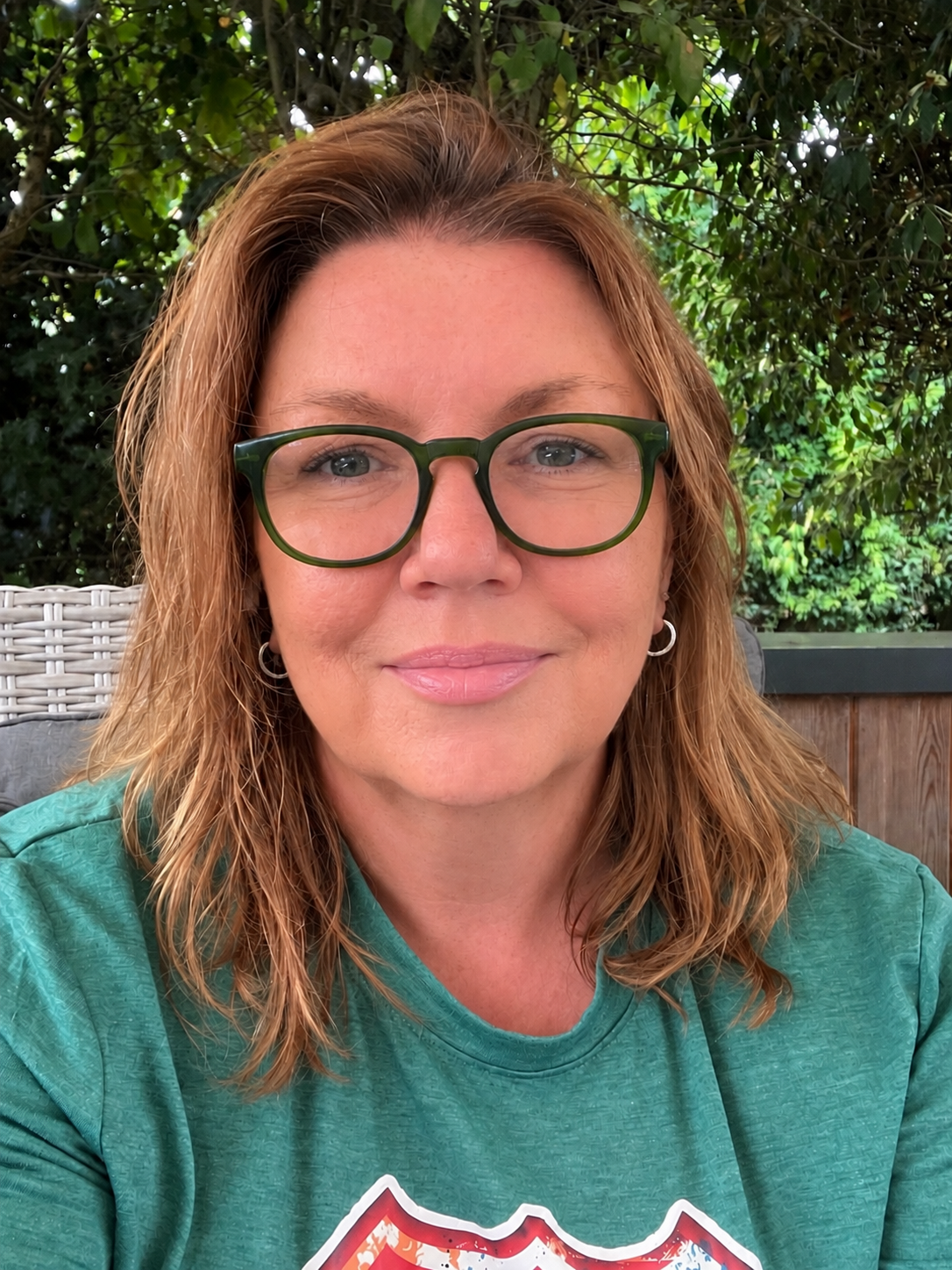
Nichola Haywood
Registered Member MBACP
Contact information
- Phone number
- 07877495196
Features
Availability
I currently offer appointments on Mondays between 8am and 8pm, Tuesday to Friday between 6pm and 8pm, and at weekends.
I recognise that traditional appointment times do not always work for people who work shifts, particularly those working within the emergency services, healthcare and other 24-hour professions. I therefore offer early evening, later and weekend appointments to provide greater flexibility around different working patterns.
Please contact me to discuss current availability and a time that may work for you.
About me and my therapy practice
You may have spent a long time coping, carrying on and being the person other people rely on. Perhaps something has happened that has changed how you feel about yourself, your relationships or the world around you. Or maybe you cannot pinpoint one particular thing – you simply know that life feels harder than it used to.
I offer a warm, compassionate and confidential space where you can talk openly about what is happening for you, without judgement or pressure to have everything figured out.
I am a humanistic and integrative therapist, which means I see you as an individual rather than approaching therapy with a one-size-fits-all method. We can work together to understand your experiences, relationships and patterns, and explore what you might need now. I believe the relationship between therapist and client is an important part of this process, so I aim to create a space where you feel heard, respected and able to work at your own pace.
I have a particular interest in trauma, bereavement, loss, childhood experiences, relationship difficulties, anxiety, identity and self-worth. I also have an interest in how experiences from our past can continue to influence how safe we feel in ourselves and in our relationships with others.
Alongside my psychotherapy work, I have spent around 30 years working within ambulance services, including many years as a frontline paramedic. This gives me a particular understanding of emergency services culture and the cumulative impact of working in environments where exposure to trauma, distress and loss can become part of everyday life.
You do not need to arrive at therapy knowing exactly what you want to say or where to begin. Sometimes the starting point is simply having an hour where nobody needs anything from you – a space where the focus can be on you.
Practice description
I believe therapy begins with feeling safe enough to be yourself. I aim to offer a calm, compassionate and non-judgemental space where you can be heard and understood, without pressure to talk about anything before you feel ready.
You remain in control of what you choose to bring to therapy and the pace at which we work. There is no expectation that you revisit painful experiences in detail. Sometimes our work may involve talking about the past; at other times, it may be more helpful to understand what you are experiencing in the present and what your mind and body might be communicating to you.
Experiences that once helped us cope or protect ourselves can sometimes continue long after the circumstances that created them have changed. Rather than asking “what is wrong with me?”, therapy can provide an opportunity to become curious about what has happened, how you learned to survive it, and what you might need now.
My approach is relational and collaborative. I will not tell you what you should think, feel or do. Together, we can explore your experiences and begin to notice patterns around safety, trust, relationships, vulnerability and connection. We can also pay attention to your strengths and the ways you have already adapted and coped.
Sessions last 60 minutes. You do not need to prepare anything or arrive knowing what you want to talk about. Some weeks there may be a lot to explore; other weeks you may simply need somewhere to stop for a while.
I also recognise that accessing therapy can be difficult when you work shifts. I therefore offer daytime, evening and weekend appointments, with availability designed to provide greater flexibility for emergency service personnel, healthcare professionals and others working outside traditional hours.
Therapy is your space. My role is to meet you there, with curiosity, compassion and respect.
My first session
Before your first session, we will have a brief introductory phone call. This gives us an opportunity to talk about what has brought you to therapy, what you feel you might need and what you would like to gain from our work together. It is also a chance for you to ask questions, hear a little about how I work and decide whether I feel like the right therapist for you.
If we decide to work together, our first session is an opportunity to begin getting to know one another. You do not need to arrive with everything worked out or be able to tell me your whole story. We will go at your pace, and you remain in control of what you choose to share.
I will explain how we will work together, including confidentiality and its limits, boundaries and the practical arrangements for our sessions. We can also begin to explore what feels important to you and what you would like from therapy.
For me, the first session is not about trying to gather your entire history. It is about beginning to build a relationship in which you can feel heard, respected and safe enough to explore what has brought you here.
There is no expectation that you continue after the first session. Therapy is personal, and it is important that you feel comfortable with the therapist you choose.
You do not need to prepare anything beforehand. You can simply arrive as you are, and we can begin from there.
What I can help with
Abuse, Anger management, Bereavement, Loss, Post-traumatic stress, Redundancy, Self-harm, Service veterans, Stress, Trauma, Work related issues
Types of therapy
Humanistic, Integrative, Person centred, Phenomenological, Relational
How I deliver therapy
Long term sessions, Long-term face-to-face work, Online therapy, Short term sessions, Short-term face-to-face work
Languages spoken
English